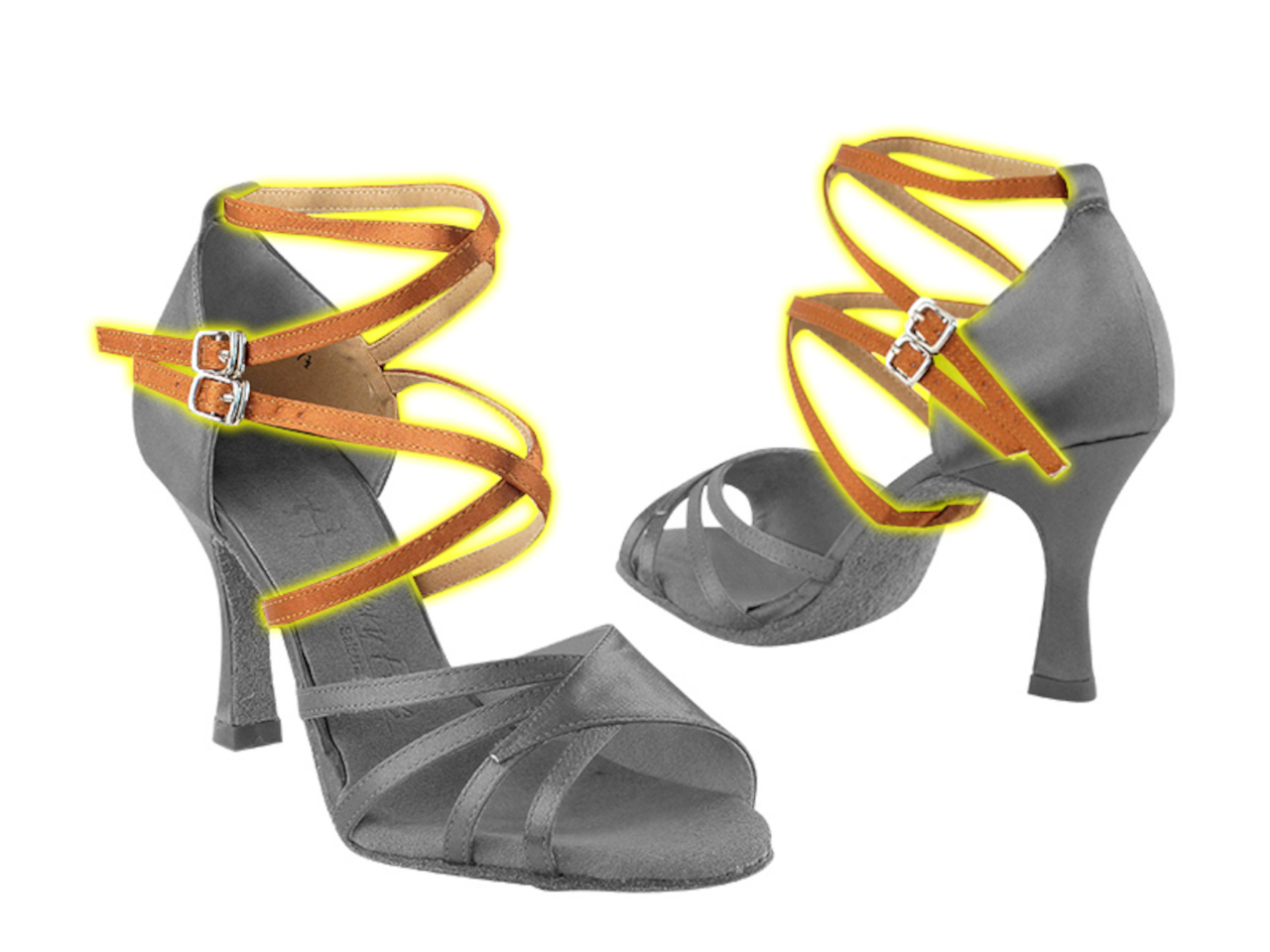
<?xml version="1.0" encoding="utf-8"?><feed xmlns="http://www.w3.org/2005/Atom" ><generator uri="https://jekyllrb.com/" version="4.4.1">Jekyll</generator><link href="https://dancewearlabs.com/feed.xml" rel="self" type="application/atom+xml" /><link href="https://dancewearlabs.com/" rel="alternate" type="text/html" /><updated>2026-06-02T06:30:17-05:00</updated><id>https://dancewearlabs.com/feed.xml</id><title type="html">Dancewear Labs</title><subtitle>Dancewear Labs reviews dance equipment for both professional and social dancers. We collect manufacturer claims and real world dancer&apos;s perspectives to find you the best equipment for your dance.</subtitle><entry><title type="html">The 3 Styles of Toe Boxes on Men’s Ballroom Shoes</title><link href="https://dancewearlabs.com/2026/06/01/the-3-styles-of-toe-boxes-on-mens-ballroom-shoes.html" rel="alternate" type="text/html" title="The 3 Styles of Toe Boxes on Men’s Ballroom Shoes" /><published>2026-06-01T08:00:00-05:00</published><updated>2026-06-01T08:00:00-05:00</updated><id>https://dancewearlabs.com/2026/06/01/the-3-styles-of-toe-boxes-on-mens-ballroom-shoes</id><content type="html" xml:base="https://dancewearlabs.com/2026/06/01/the-3-styles-of-toe-boxes-on-mens-ballroom-shoes.html"><![CDATA[<p>For all styles of ballroom dance, from smooth to rhythm to latin, the toe box is an important part of ballroom shoes. All men’s ballroom shoes are closed toe, but feature one of several designs, each with their own strengths and weaknesses. In this article, you will learn about the three major designs, and how they impact your dancing.</p>

<h2 id="seams-and-stitching">Seams and Stitching</h2>

<p>Before exploring the three styles of toe boxes, a brief discussion on the seams and stitching of a shoe is important to understand the strengths and weaknesses of each design. The strongest points of a shoe will be along the seams. Seams are strong because the stitching acts as a reinforcement against stretching. Some shoes will also have multiple layers of material beneath the stitching. When there are multiple layers of material, stretching is reduced since each layer provides its own resistance. Seams also provide a natural place for the shoe to bend, as any folding or twisting of the material stops at a seam.</p>

<h2 id="the-three-types-of-toe-box">The Three Types of Toe Box</h2>

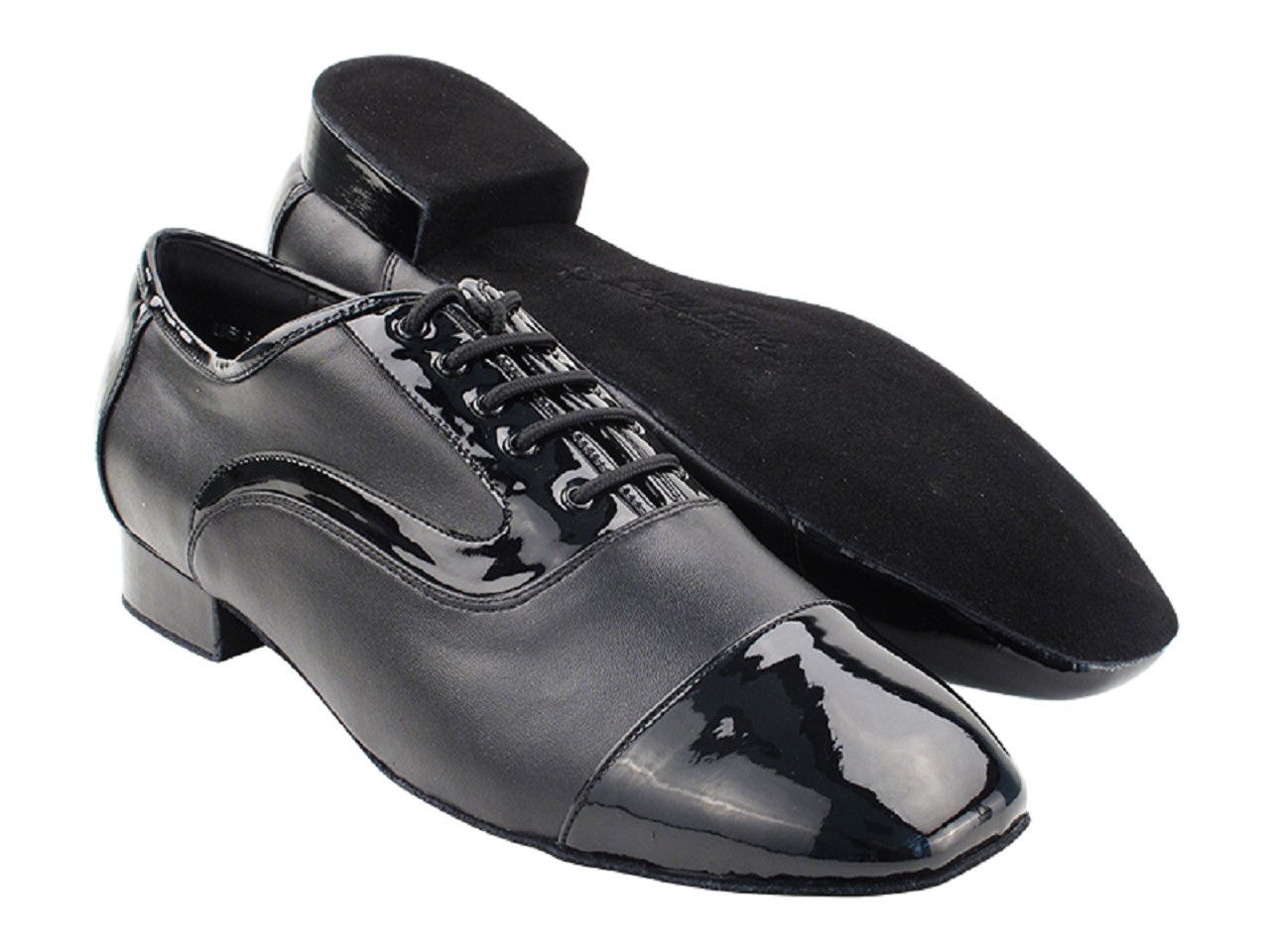
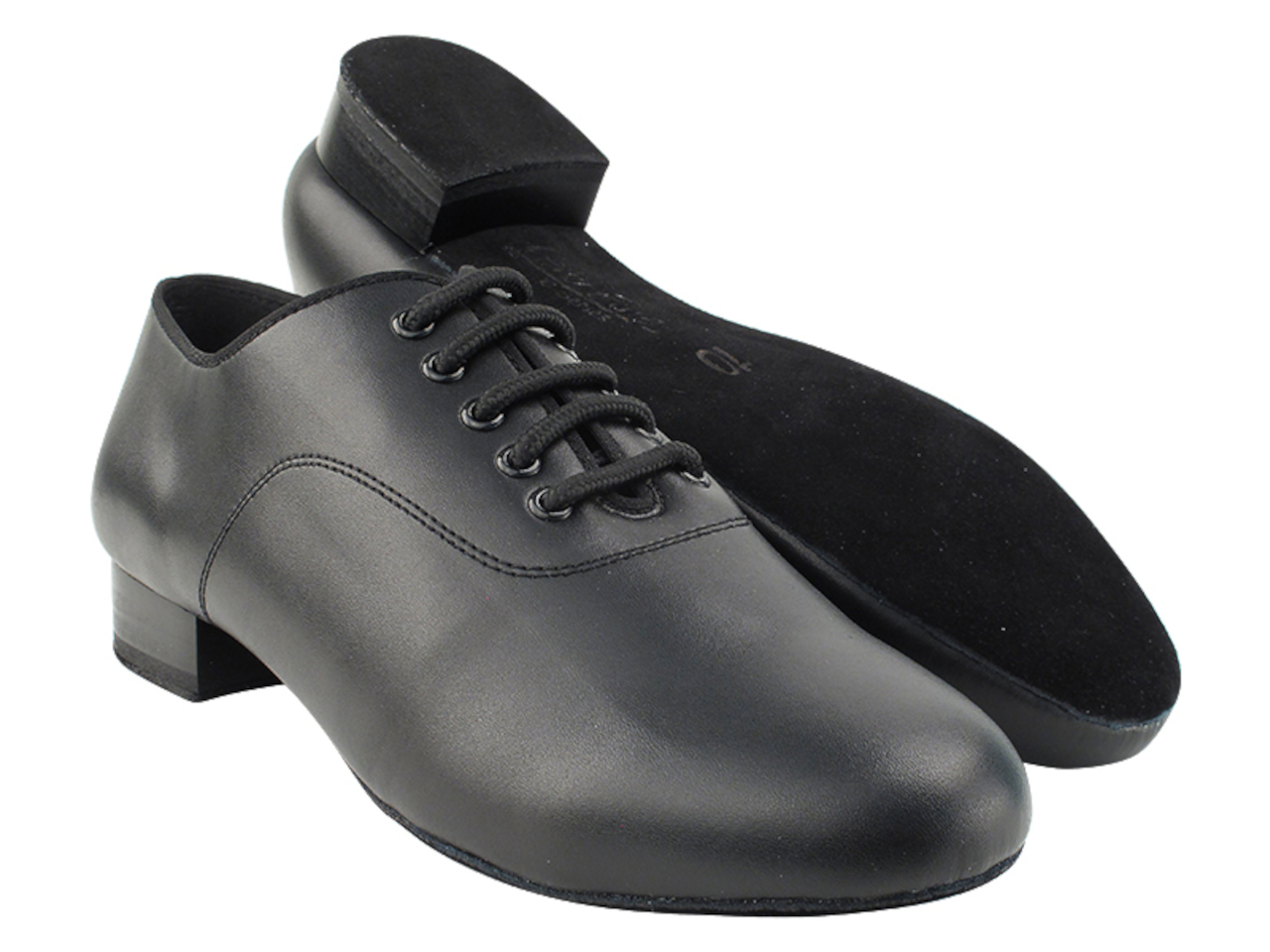
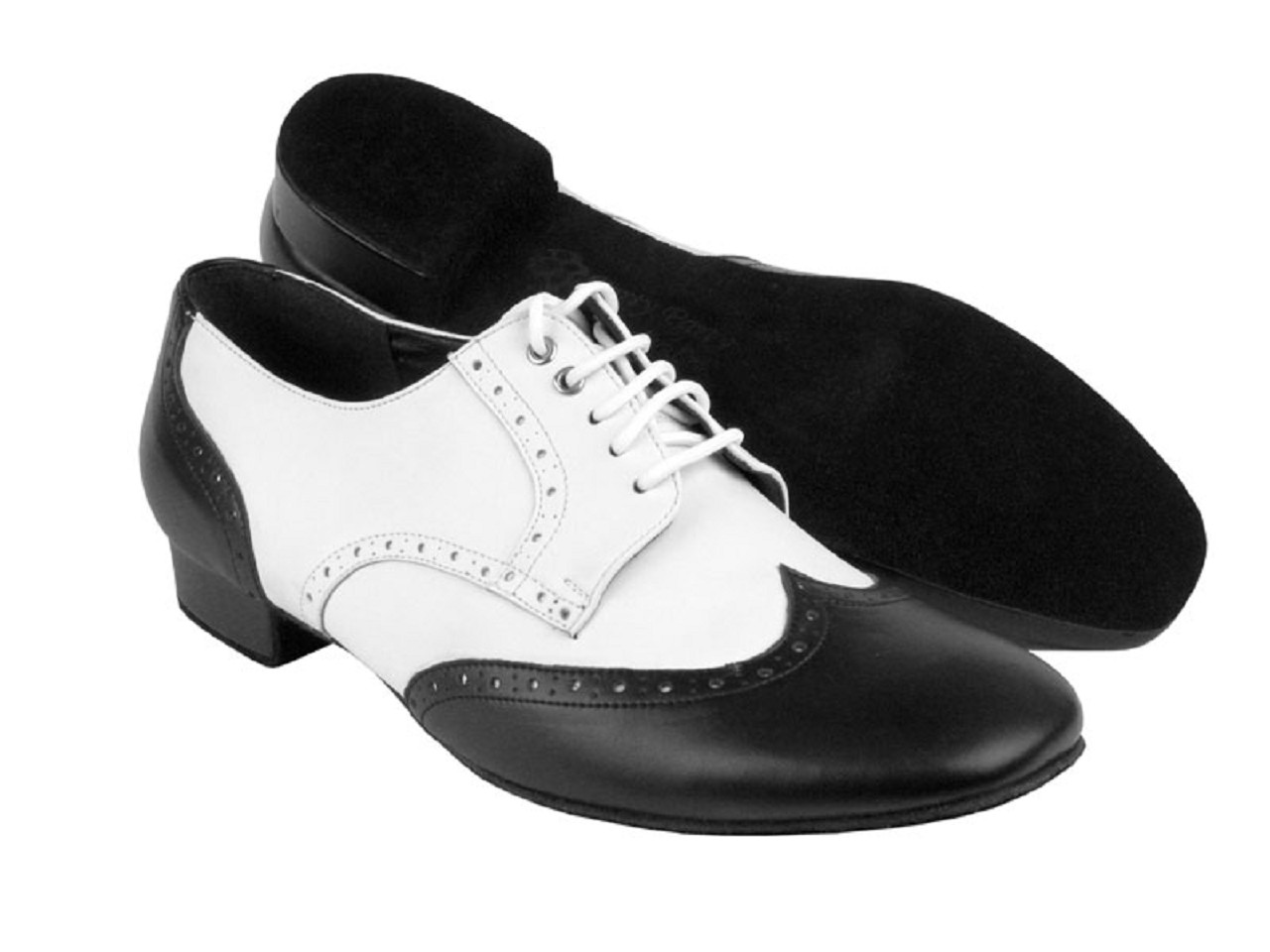
<p>There are three types of toe box. A toe cap, a wingtip, and the wholecut. A toe cap is the ideal shoe for beginners and for smooth and standard styles of dance. A wingtip is great for all styles of dance, especially when out social dancing. A wholecut shoe is the perfect shoe for advanced latin and rhythm dancers. Just what makes each toe box a good choice for different dancers and styles is explored below.</p>

<h3 id="toe-cap">Toe Cap</h3>

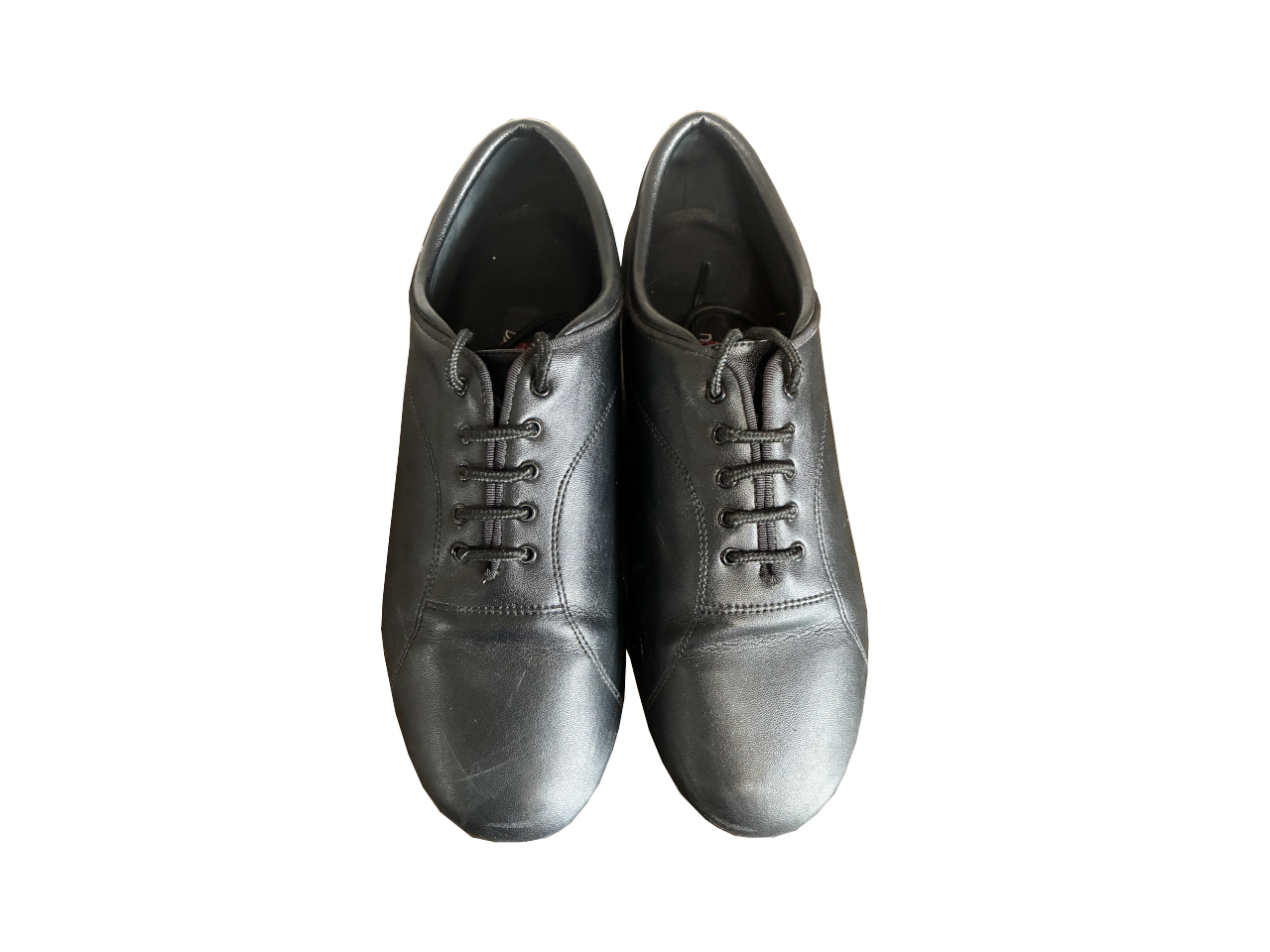
<p><img src="/assets/images/2026-06-01/ballroom-shoes-with-toe-cap.jpg" alt="A pair of men's ballroom dance shoes with a toe cap" /></p>

<p>A toe cap design is the most classic design for smooth and standard ballroom dances. This design covers the toes and is fastened to the upper shoes by a seam that runs straight across the top of the foot from one side of the shoe to the other. This design is called a toe cap because the resulting design appears to “cap” the toes.</p>

<p>The toe cap is the least forgiving of the toe box designs. The placement of the seam creates a hinge-like break in the shoe line, which breaks the visual line of latin and rhythm styles of dance on the competition floor.</p>

<p>The stability of this design is beneficial to beginners, who have not yet developed their feet muscles for complicated moves. Advanced dancers may become frustrated by the resistance of the seam, which prevents spreading the ball of the foot for maximum connection to the floor.</p>

<p>The placement of the seam on a toe cap design is right where the shoe experiences the most pressure. When a dancer places weight onto the ball of their foot, their foot spreads outwards, pressing into the sides of the toe box. The seam provides resistance to this pressure. As a result, the toe cap design provides more support for the dancer.</p>

<p>While a toe cap design provides more support, the resistance to stretching results in a longer break-in period for the shoe. This toe box design can be painful, especially for wider feet. However, once the shoe is broken in, the shoe will last longer than the other two designs.</p>

<h3 id="wingtip">Wingtip</h3>

<p><img src="/assets/images/2026-04-27/very-fine-dante-mens-ballroom-dance-shoe-pair.jpg" alt="A pair of men's ballroom dance shoes with a wingtip toe box" /></p>

<p>The wingtip is the all-styles toe box design, ideal for social dancing. Visually, the seam extends the toe box down the sides of the shoe. The seam for this design begins near the heel, moves up the side of the foot before turning towards the toes and meets in the middle over the ball of the foot. The extra material on the sides are the “wings” of this design, leading to the name.</p>

<p>Of the three toe designs, this style resists twisting during powerful steps or pivots. Because wingtip shoes may be fastened directly to the heel cup, they are securely anchored. Further, the wingtip is often placed over other layers of material, introducing multiple levels of resistance against twisting. The placement of the seam along the sides of the shoe distributes the pressure and twisting across the whole shoe, which helps with stability during steps and patterns.</p>

<p>Shoes featuring the wingtip design are more forgiving during their break in period. Because the seam doesn’t cross the foot where there’s the greatest amount of pressure, the toe box can stretch more easily. This is great for dancers with wider feet, who would otherwise find the toe cap design painful.</p>

<p>Though the extra material along the sides of the shoe is a benefit for breaking in dance shoes, it is also a limiter for the longevity of the shoe. Wingtip shoes will experience more stretching, both along the length of the shoe and across the width of the toe box.</p>

<h3 id="wholecut">Wholecut</h3>

<p><img src="/assets/images/2026-05-07/very-fine-perseus-mens-ballroom-dance-shoe-pair.jpg" alt="A pair of wholecut men's ballroom dance shoes" /></p>

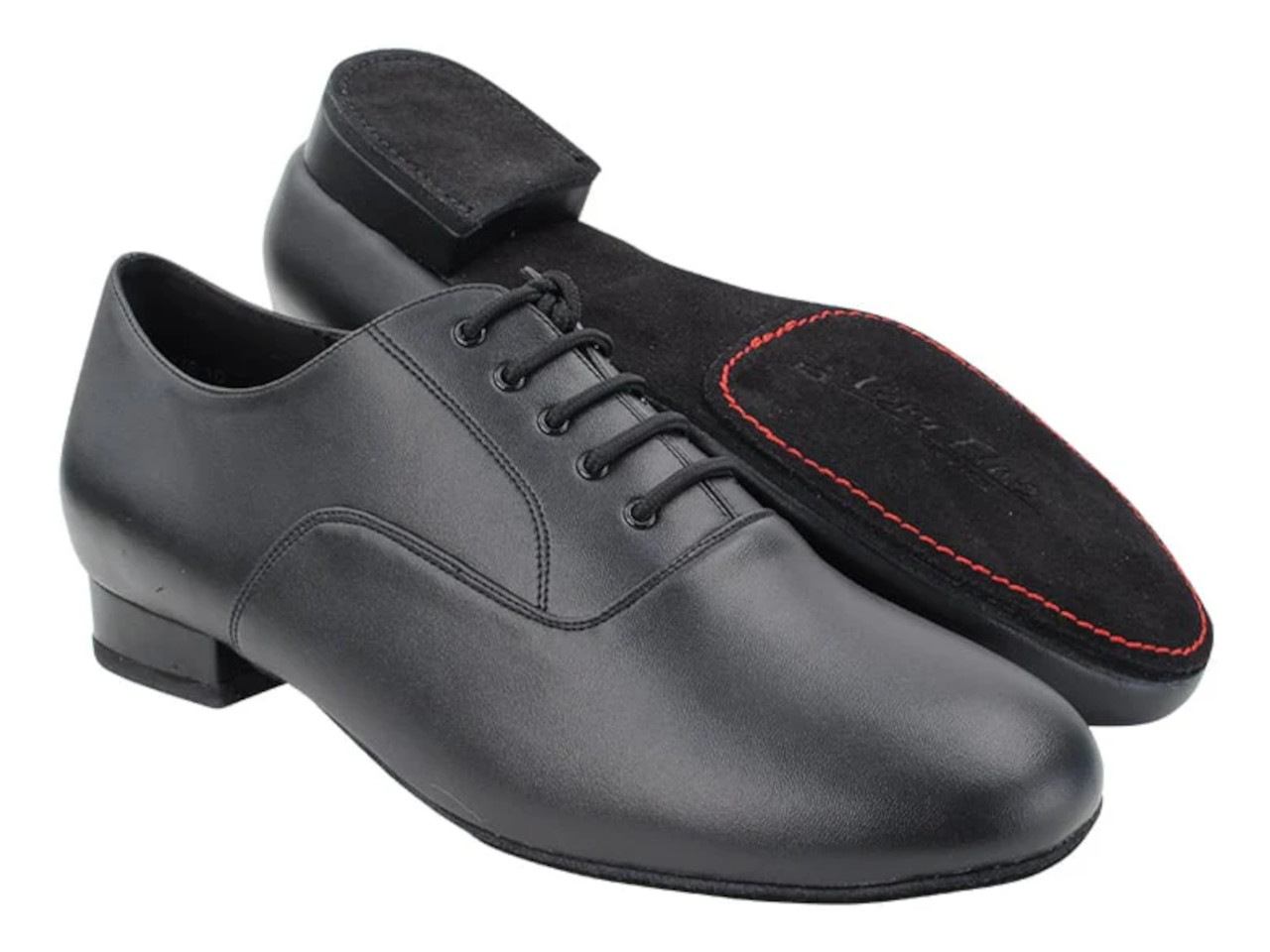
<p>A wholecut shoe is actually just the absence of a distinct toe box. There is only one seam on the shoe, which runs vertically from the bottom of the shoe to the rim at the back of the heel. The rest of the upper shoe is made from a single piece of material. Some designs, like the one shown in the image above, may have additional stitching throughout the upper shoe, but this stitching is not a seam between separate pieces of material.</p>

<p>This design is stylistically the most sleek of the three. As there are no seams to influence how the leather stretches, it can stretch in every direction. This is beneficial for individuals with wide or oddly shaped feet. The leather can stretch and mold to perfectly match the unique shape of the foot. This is where the term “second skin” comes from for these types of shoes. The flexibility and freedom these styles of shoes provide are ideal for rhythm and latin styles of dance, and can lend itself to executing complicated moves on the dance floor.</p>

<p>While these types of shoes are fantastic for a quick break-in, they won’t last as long as shoes with structure and rigidity provided by multiple panels and seams. The absence of panels and seams also means that the shoe provides no support when stepping or executing moves. On one hand, this provides the maximum amount of flexibility for foot articulation. On the other, wholecut shoes require an advanced level of control and muscle development to compensate for the lack of support. Because of the advanced requirement to effectively use this shoe, beginner or intermediate dancers may be frustrated with wholecut shoes.</p>

<p>One thing to watch out for with wholecut shoes is when they are made out of patent leather. The lack of seams and panels means the patent can stretch quicker, resulting in cracks and other blemishes to the finish.</p>

<h2 id="conclusion">Conclusion</h2>

<p>In this article, you learned about the three types of toe box. The toe cap features a single seam across the top and down the sides of the foot, providing stability at the cost of foot articulation. Wingtip shoes are more forgiving than the toe cap, though at the cost of a longer life. And finally, a wholecut shoe is ideal for the advanced dancer, acting like a second skin. Beginner or intermediate dancers will have difficulty executing dance moves without well-developed foot muscles.</p>

<script type="application/ls+json">
{
  "@context": "https://schema.org",
  "@type": "Article",
  "headline": "The 3 Styles of Toe Boxes on Men's Ballroom Shoes",
  "description": "An in-depth guide exploring the three major toe box designs for men's ballroom shoes and how they impact dancing style, stability, and longevity.",
  "image": [
    "/assets/images/2026-06-01/ballroom-shoes-with-toe-cap.jpg",
    "/assets/images/2026-04-27/very-fine-dante-mens-ballroom-dance-shoe-pair.jpg",
    "/assets/images/2026-05-07/very-fine-perseus-mens-ballroom-dance-shoe-pair.jpg"
  ],
  "datePublished": "2026-06-01",
  "author": {
    "@type": "Person",
    "name": "Ty Kellogg",
    "url": "https://dancewearlabs.com/authors/ty-kellogg"
  },
  "publisher": {
    "@type": "Organization",
    "name": "Dancewear Labs",
    "url": "https://dancewearlabs.com"
  },
  "inLanguage": "en-US",
  },
  "mainEntityOfPage": {
    "@type": "WebPage",
    "@id": "https://yourdancesite.com/styles-of-toe-boxes-mens-ballroom-shoes"
  },
  "keywords": "ballroom dancing, mens dance shoes, toe box, toe cap, wingtip, wholecut, latin dance, rhythm dance, smooth dance"
}
</script>]]></content><author><name></name></author><summary type="html"><![CDATA[An in-depth guide exploring the three major toe box designs for men's ballroom shoes and how they impact dancing style, stability, and longevity.]]></summary></entry><entry><title type="html">The 5 Types of Shoe Straps</title><link href="https://dancewearlabs.com/2026/05/25/the-5-types-of-shoe-straps.html" rel="alternate" type="text/html" title="The 5 Types of Shoe Straps" /><published>2026-05-25T08:00:00-05:00</published><updated>2026-05-25T08:00:00-05:00</updated><id>https://dancewearlabs.com/2026/05/25/the-5-types-of-shoe-straps</id><content type="html" xml:base="https://dancewearlabs.com/2026/05/25/the-5-types-of-shoe-straps.html"><![CDATA[<p>When deciding what shoes you’re going to buy, an important consideration is the type of strap on the shoe. The style of dance you practice and your skill level will directly impact which straps are best suited for you. Further, how the straps are secured to the shoe, the fastener, and even the materials will directly impact how long the shoe lasts and how secure you feel when wearing them. This article will walk you through the five types of straps and the additional design features that will ensure you will invest in the best shoe for the best fit.</p>

<h2 id="the-five-types-of-straps">The Five Types of Straps</h2>

<h3 id="1-the-ankle-strap">1. The Ankle Strap</h3>

<p><img src="/assets/images/2026-05-25/ankle-strap.jpg" alt="Ankle strap variations" /></p>

<p>Ankle straps are the most common strap for women’s dress shoes and sandals. They are also the strap of choice for standard and smooth styles of dance. Since the strap sits on the ankle, the strap acts as a tether more than an anchor and only really secures the heel. This is good for smooth and standard styles of dance as they often feature heel leads and turns. By tethering to the heel, a single strap design complements the closed-toe design for smooth shoes.</p>

<p>Because an ankle strap does not cinch the shoe to the foot, there is little support or security that this strap provides. A dancer must rely on the muscles in their feet to provide the support necessary to wear ankle straps. As such, ankle straps are best suited for advanced dancers who have developed those muscles.</p>

<p>Stylistically, an ankle strap provides for an unbroken line across the top of the foot. On the competition floor, an unbroken line allows for judges to evaluate clean footwork and technique.</p>

<ul>
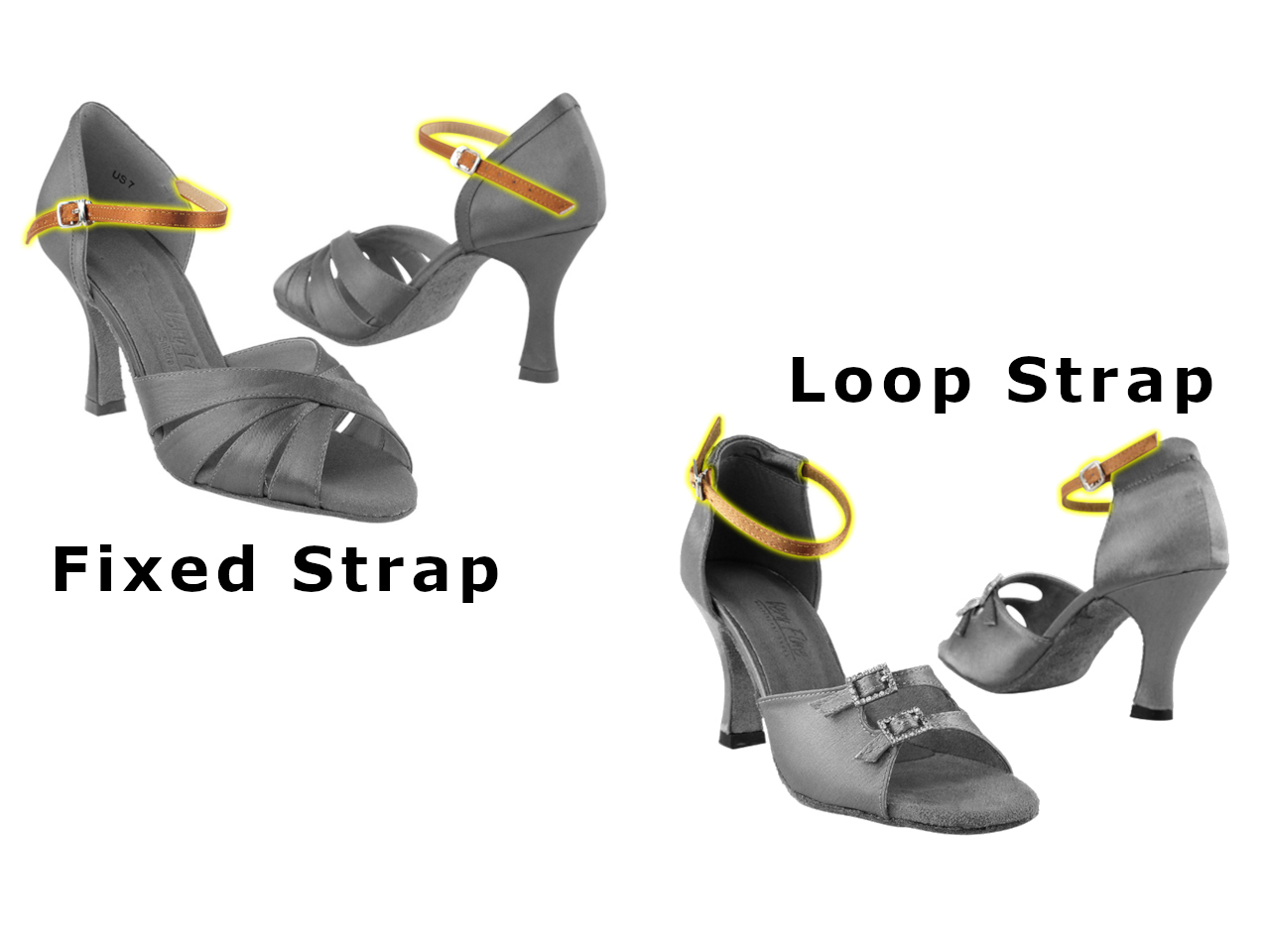
  <li><strong>Fixed Variation</strong>: The strap is anchored directly to the sides of the heel cup, allowing for a forgiving fit at the expense of stretching the material.</li>
  <li><strong>Loop Variation</strong>: The strap is threaded around or through the back of the heel cup, preserving the material of the heel cup, but less forgiving in the fit.</li>
</ul>

<blockquote>
  <p>For a deep dive into how these two variations affect the lifespan and fit of your shoe, see the “Strap Design Features” section below.</p>
</blockquote>

<h3 id="2-the-t-strap">2. The T-Strap</h3>

<p><img src="/assets/images/2026-05-25/t-strap.jpg" alt="T-Strap illustration" /></p>

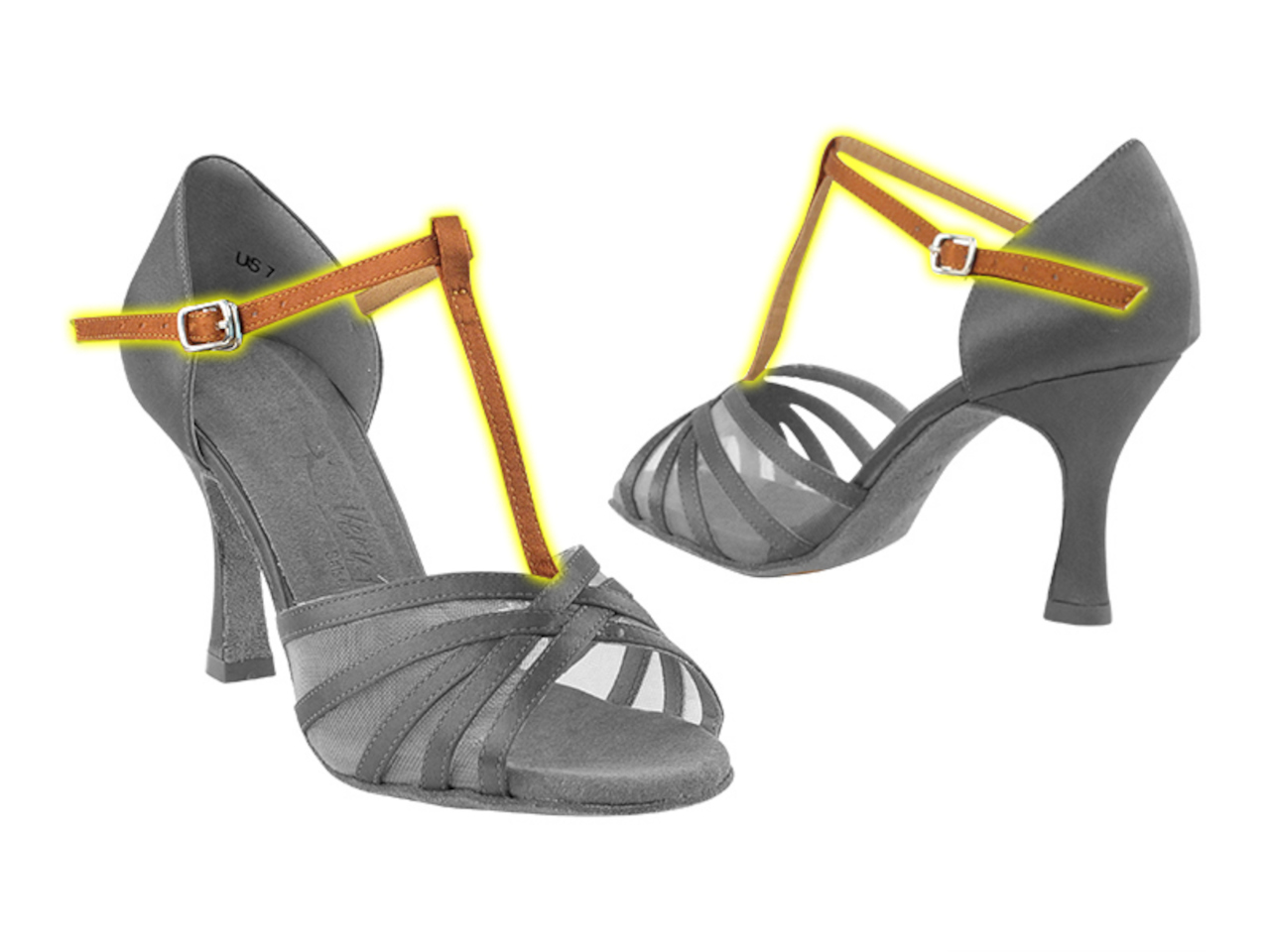
<p>A T-Strap is an additional strap on shoes with an ankle strap. The additional strap is anchored to the top of the toe box and runs along the top of the foot to loop around the ankle strap. The additional strap pulls the toe box up the foot to ensure a secure fit around the ball of the foot. This is especially important for toe points and other stylizations that cause the foot to arch; common in rhythm and latin dances. The additional strap pulls the toe box tight, keeping it flush against the ball of the dancer’s foot, which helps prevent slippage.</p>

<p>However, the design of the T-Strap inevitably stretches material across the top of toe box. Since this strap doesn’t have a buckle or other mechanism to adjust, the toe box and strap will stretch, and become looser over time. This is exacerbated by the ankle strap, which cannot help compensate for the stretching.</p>

<p>Stylistically, a T-Strap creates a visual line running along the length of the foot, making the dancer’s foot appear to be longer. This is beneficial on the competition floor where the foot stretches to create stylizations.</p>

<h3 id="3-the-x-strap-across-the-ankle">3. The X-Strap Across the Ankle</h3>

<p><img src="/assets/images/2026-05-25/x-strap-ankle.jpg" alt="X-Strap across the ankle illustration" /></p>

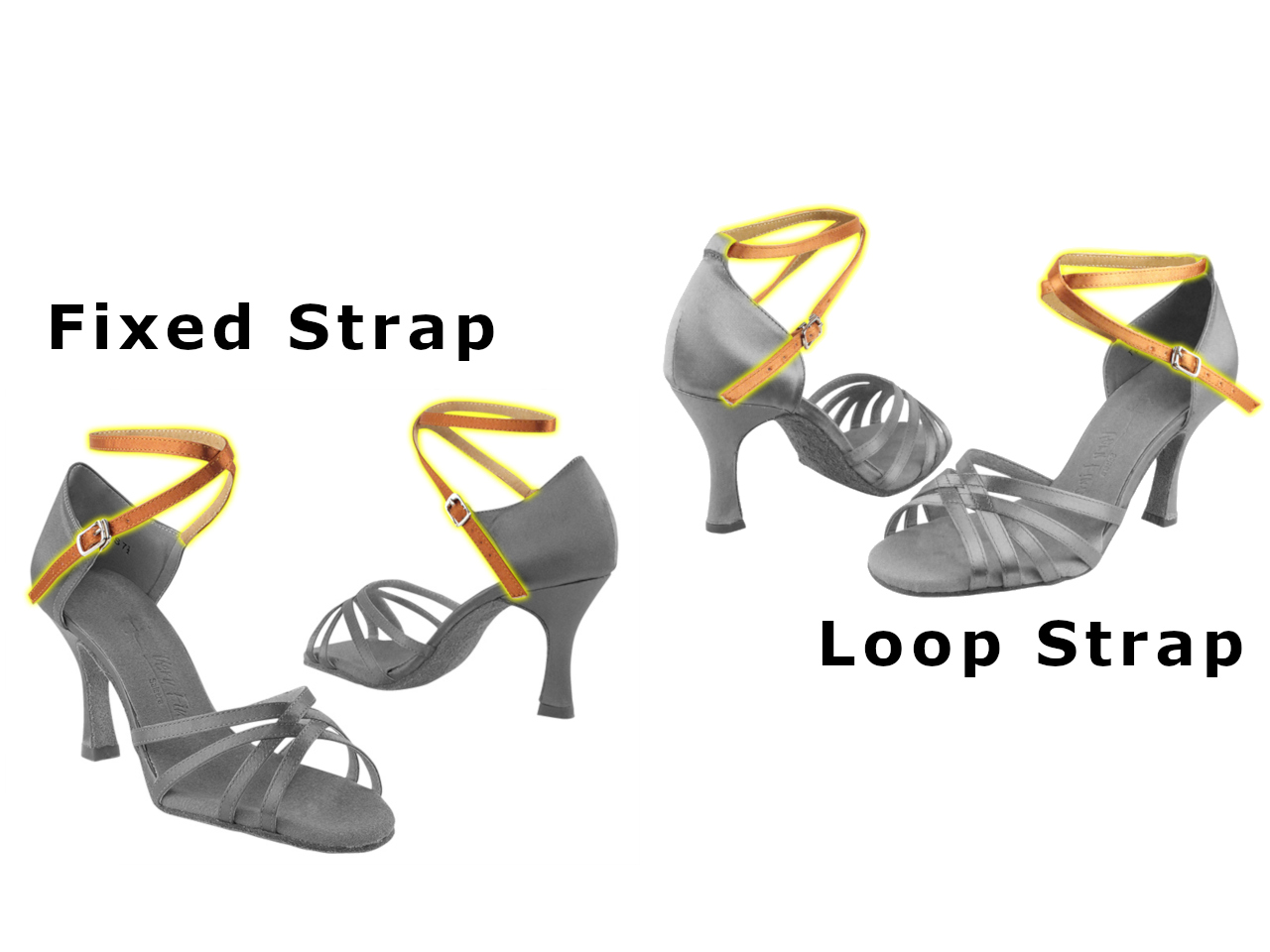
<p>An X-Strap is where the strap loops around the ankle or foot twice, creating the “X” where the loops cross. For X-Straps across the ankle, the straps act more like a seat belt for the ankle, providing more security and stability than a more tether-like single ankle strap.</p>

<p>Further, the X-Strap is beneficial for dancers with narrower feet. A single ankle strap doesn’t allow for much tightening across the width of the heel. Because of this, the X-Strap allows for cinching the heel cup to the dancer’s heel, making a snug fit more accessible than a single ankle strap.</p>

<p>X-Straps are particularly well suited for latin styles of dance. The heel cup is secured to the dancer’s foot, but the arch and toe are free for the many toe leads, points, and stylizations for latin dances. Intermediate dancers may be drawn to this style of strap because they have developed many of the muscles in their feet to support themselves, but still rely on the shoe to supplement the support.</p>

<ul>
  <li><strong>Fixed Variation</strong>: The strap is anchored directly to the sides of the heel cup and wraps around the ankle freely, resulting in a less secure fit.</li>
  <li><strong>Loop Variation</strong>: The strap is anchored directly to the sides of the heel cup, but the loop is threaded through a loop fastened to the back of the heel cup, resulting in slightly more secure fit.</li>
</ul>

<blockquote>
  <p>For a deep dive into how these two variations affect the lifespan and fit of your shoe, see the “Strap Design Features” section below.</p>
</blockquote>

<h3 id="4-the-x-strap-over-the-foot">4. The X-Strap Over the Foot</h3>

<p><img src="/assets/images/2026-05-25/x-strap-arch.jpg" alt="X-Strap over the foot illustration" /></p>

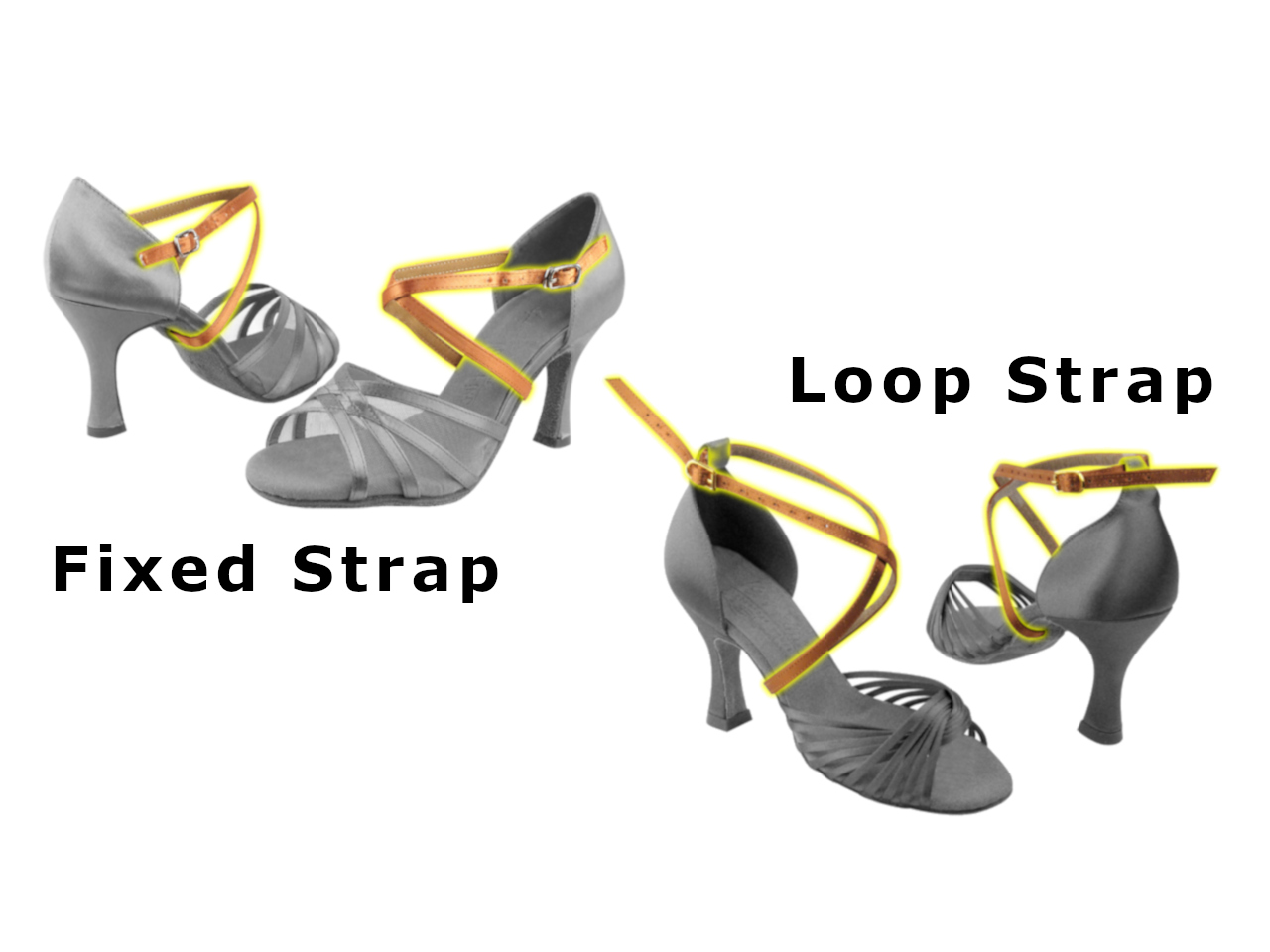
<p>An X-Strap across the top of the foot, instead of across the ankle, shifts the security from the heel of the foot to the arch. Instead of the strap securing or looping exclusively through the heel cup, the strap wraps around the middle of the foot to cinch the sole of the shoe to the dancer’s arch. If the shoe is a split sole – the shoe has a short shank that connects to heel, but not ball of the shoe – then an X-Strap over the foot provides additional support that the short shank is lacking.</p>

<p>This style of strap is also beneficial for stylizations where toe points or heel lifts arch the foot away from the sole of the shoe, creating a gap between foot and shoe. By cinching the sole of the shoe to the dancer’s arch, the sole is brought with the foot during foot articulations, eliminating the resulting gap between arch and sole.</p>

<p>This style of strap is best suited for beginner to intermediate dancers. The straps provide support for the foot, leaving the ankle free to articulate. More advanced dancers may become frustrated because the straps across the foot do restrict more advanced technique and foot articulations.</p>

<ul>
  <li><strong>Fixed Variation</strong>: The strap is anchored directly to the sides of the heel cup, crosses over the top of the foot, and loops underneath or through the sole of the shoe, creating a secure and snug fit.</li>
  <li><strong>Loop Variation</strong>: The strap is threaded through a loop fixed to the back of the heel cup, wraps around the ankle and crosses itself over the top of the foot, and loops underneath or through the sole of the shoe. This variation is less secure than the fixed variation.</li>
</ul>

<blockquote>
  <p>For a deep dive into how these two variations affect the lifespan and fit of your shoe, see the “Strap Design Features” section below.</p>
</blockquote>

<h3 id="5-double-x-strap">5. Double X-Strap</h3>

<p><img src="/assets/images/2026-05-25/double-x-strap.jpg" alt="Double X-Strap illustration" /></p>

<p>The double X-Strap has two straps: a fixed arch variation and an ankle loop variation. Both straps are fixed to the cup with one strap securing the ankle and the other securing the arch. This style of strap is best suited for beginner dancers who have not yet developed the foot muscles to support themselves. Both the arch support and ankle security provide new dancers with plenty of support while providing the added benefit of more forgiving sizing options. Both straps can be used to cinch the heel cup and sole of the shoe to the foot to accommodate smaller or narrower feet. A double X-Strap reduces flexibility and foot articulation required for more advanced moves and technique. This is a non-issue for the new dancer.</p>

<h2 id="strap-design-features">Strap Design Features</h2>

<h3 id="fixed-vs-loop-straps-impact-fit">Fixed vs Loop Straps Impact Fit</h3>

<p>How the strap connects to the heel cup is an important design factor for the longevity of the shoe. Whether the strap is fixed to the shoe, or threaded through a loop, each has tradeoffs for the fit of the shoe as well.</p>

<h4 id="fixed-straps">Fixed Straps</h4>

<p>Fixed straps are sewn to the sides of the heel cup. When pulling straps tight, the sides of the heel cup are also pulled. Dancers with narrower feet benefit from this since the heel can be cinched to the back of the foot. However, pulling the heel cup tight also stretches the heel cup and places strain on the stitching between the material at the back of the shoe and the heel. Cinching the strap tighter can give more life to stretched material, though this can lead to further stretching. Fixed straps are a benefit to the overall fit of the shoe, but at the cost of a shorter lifespan for the shoe.</p>

<h4 id="loop-straps">Loop Straps</h4>

<p>Loop straps are connected to the heel cup by threading through a loop or channel on the rim of the cup. Similar to a drawstring bag, pulling the strap tighter closes the rim of the heel cup around the back of the foot, but doesn’t cinch it down like a fixed strap. As a result, there is little room for error with the fit when it comes to sizing. Because tightening the strap doesn’t stretch the material of the heel cup, the shoe can last considerably longer than fixed strap designs. Further, when the strap stretches, the loop design makes it easy to replace the strap by simply threading through a new strap.</p>

<h3 id="fastener-types-impact-support">Fastener Types Impact Support</h3>

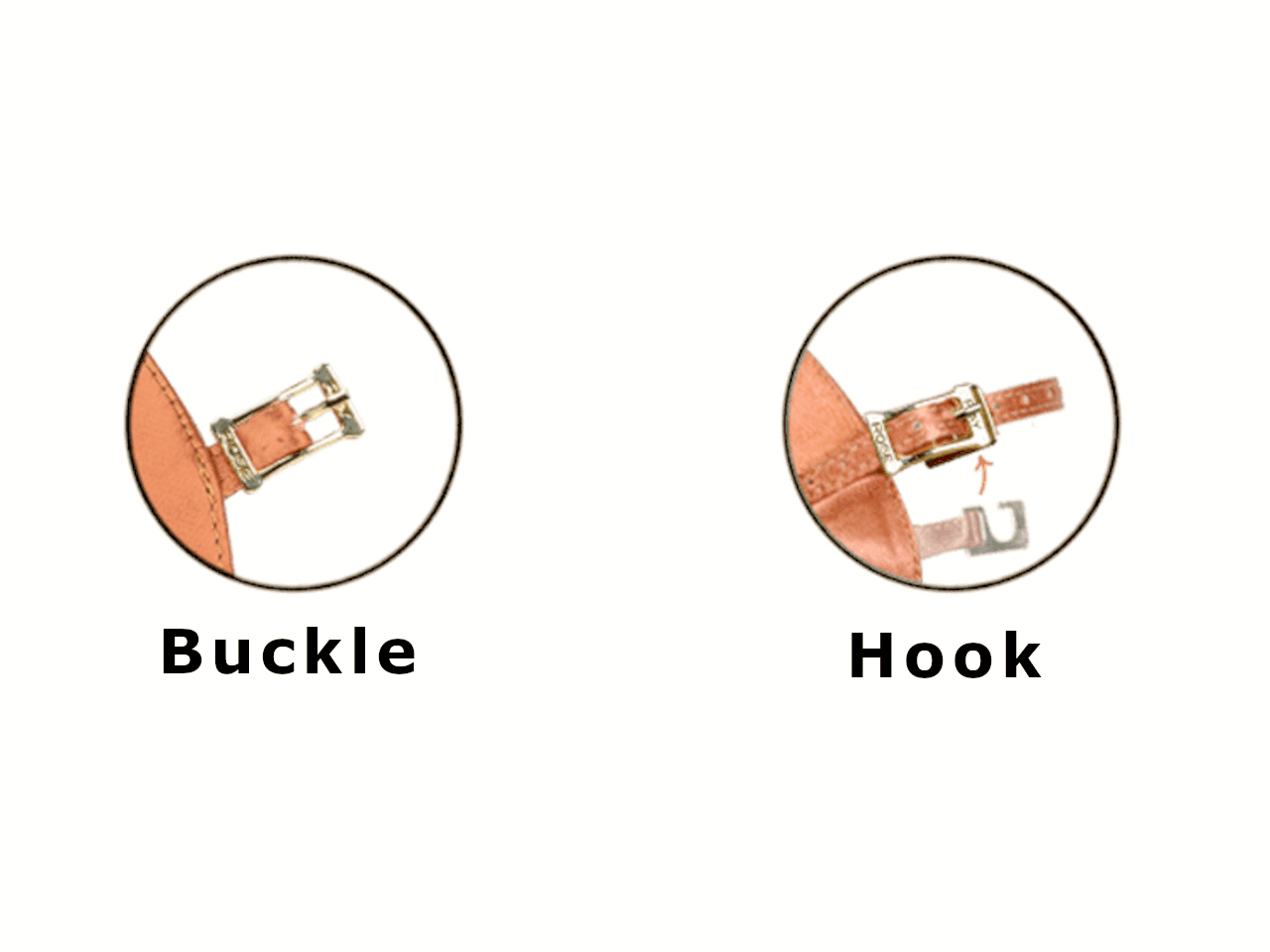
<p>How the strap is fastened is important for the longevity and utility of the strap. A traditional buckle is elegant and secure, but runs the risk of tearing the strap. A quick release hook is functional, but becomes less secure when the strap stretches.</p>

<p><img src="/assets/images/2026-05-25/buckle-hook-fastener.jpg" alt="Buckle and hood fastener illustration" /></p>

<h4 id="traditional-buckle">Traditional Buckle</h4>

<p>A traditional buckle is the more secure of the two fastener types. The strap is threaded through the buckle and secured by a pin through one of many holes punched in the strap. Because the strap is buckled and unbuckled each session, the strap suffers from bending, pulling, and twisting, and therefore has a higher likelyhood of becoming damaged and tearing. As long as the strap is properly pulled tight, the buckle can be the more secure option. This can be mitigated somewhat by the material, as explored below.</p>

<h4 id="quick-release-hook">Quick Release Hook</h4>

<p>A quick release hook utilizes a buckle to tighten the strap and a hook to fasten the strap down. A hook system is a more convenient fastener as the buckle can be placed along the strap at the perfect position, then fastened by the hook quickly. Because the strap isn’t buckled and unbuckled each session, the strap suffers much less damage when compared to the traditional buckle. However, because the strap is still pulled tight, the material will stretch. If the strap becomes too loose, there is a small chance that strap may slip off the loop. When the material stretches, the buckle can be placed further down the strap to ensure the fit remains tight. The quick release hook provides longevity and function at the minimal expense to security.</p>

<blockquote>
  <p><strong>Pro Tip</strong> if you run out of holes on the strap to continue tightening the fit, you can punch new holes with a <a href="https://amzn.to/4wPfQB3">leather punch</a>.</p>
</blockquote>

<h3 id="strap-material-impacts-longevity">Strap Material Impacts Longevity</h3>

<p>Because straps are pulled tight to achieve a snug and secure fit, the material the straps are made of will impact the useful life of the strap.</p>

<h4 id="leather">Leather</h4>

<p>Leather is the standard material for straps. Because it is a material derived from animal hides, the material naturally stretches when exposed to heat and moisture. As leather stretches, the elongation becomes the new norm for the material. Because of this, the leather needs to be stretched further to retain its tightness, further stretching the material. The more the strap is pulled, the less effective the leather will become at staying tight.</p>

<h4 id="satin">Satin</h4>

<p>Natural satin offers very little stretch. However, a satin blend may have varying degrees of stretch. Depending on the blend, the elasticity of the material will make it want to return to its original shape. Elasticity is a consumable part of the strap, meaning as the satin is pulled, the less elasticity it will have over time. An added benefit of satin over leather is that it tends to have a smooth finish. A smooth finish is helpful for straps to rub against each other with low friction, such as in smooth dances where passing feet is common.</p>

<h4 id="patent">Patent</h4>

<p>Patent is a finish for leather. This finish is high gloss and high friction. Because it’s a finish, patent tends to be rigid. This can be helpful for the longevity of the strap since stretching tends to be minimal. However, because the material is high friction, when straps rub together, it may feel like they’re catching, making patent inideal for smooth styles of dance.</p>

<h4 id="width">Width</h4>

<p>The width of the strap is important to the usefulness of the strap as well. A thick strap is more resistant to stretching, relative to the material. Further, a wide strap can distribute pressure caused by tightening more evenly across the foot, making it more comfortable. In contrast, a thinner strap looks elegant, and may even appear to vanish against the dancer’s skin. However, a thinner strap is more prone to stretching than a thicker strap, and may also be painful because there is less surface area to distribute pressure from pulling the strap tight.</p>

<h2 id="securing-the-strap">Securing the Strap</h2>

<p>In this article, you learned about the five types of shoe straps: the ankle strap, the T-Strap, both varieties of the X-Strap, and the Double X-Strap. You also learned about how fixed and loop straps differ and the impact they have on the fit of your shoe. Further, the fastener design and material similarly impact the support and longevity of the shoe. You are now well prepared to invest in the best shoe for the best fit.</p>

<script type="application/ld+json">
{
  "@context": "https://schema.org",
  "@type": "TechArticle",
  "mainEntityOfPage": {
    "@type": "WebPage",
    "@id": "https://dancewearlabs.com/2026/05/25/the-5-types-of-shoe-straps"
  },
  "headline": "The 5 Types of Shoe Straps",
  "description": "An analytical guide to dance shoe strap geometries, variations, fastener types, and materials, exploring how they impact structural support, dancer fit, and shoe longevity.",
  "image": [
    "https://dancewearlabs.com/assets/images/2026-05-25/ankle-strap.jpg",
    "https://dancewearlabs.com/assets/images/2026-05-25/t-strap.jpg",
    "https://dancewearlabs.com/assets/images/2026-05-25/x-strap-ankle.jpg",
    "https://dancewearlabs.com/assets/images/2026-05-25/x-strap-arch.jpg",
    "https://dancewearlabs.com/assets/images/2026-05-25/double-x-strap.jpg",
    "https://dancewearlabs.com/assets/images/2026-05-25/buckle-hook-fastener.jpg"
  ],
  "datePublished": "2026-05-25",
  "dateModified": "2026-05-25",
  "author": {
    "@type": "Person",
    "name": "Ty Kellogg",
    "url": "https://dancewearlabs.com/authors/ty-kellogg"
  },
  "publisher": {
    "@type": "Organization",
    "name": "Dancewear Labs",
    "url": "https://dancewearlabs.com"
  },
  "inLanguage": "en-US",
  "keywords": [
    "dance shoe straps",
    "ballroom shoe fit",
    "ankle strap vs t-strap",
    "x-strap over the foot",
    "double x-strap",
    "quick release hook",
    "dance shoe materials",
    "shoe engineering"
  ],
  "articleSection": "Technical Reviews",
  "hasPart": [
    {
      "@type": "WebPageElement",
      "name": "The Ankle Strap",
      "description": "Analysis of traditional ankle straps, their fixed and loop variations, and suitability for advanced smooth and standard dancers."
    },
    {
      "@type": "WebPageElement",
      "name": "The T-Strap",
      "description": "Analysis of the T-Strap geometry, visual elongation, and its impact on toe points and material stretching."
    },
    {
      "@type": "WebPageElement",
      "name": "The X-Strap Across the Ankle",
      "description": "Evaluation of the ankle-crossing X-strap for narrow heels and dynamic Latin dance stabilization."
    },
    {
      "@type": "WebPageElement",
      "name": "The X-Strap Over the Foot",
      "description": "Analysis of arch-cinching strap design, split-sole interaction, and constraints on advanced foot articulation."
    },
    {
      "@type": "WebPageElement",
      "name": "Double X-Strap",
      "description": "Review of full-coverage beginner-friendly straps providing combined arch support and heel cup security."
    }
  ]
}
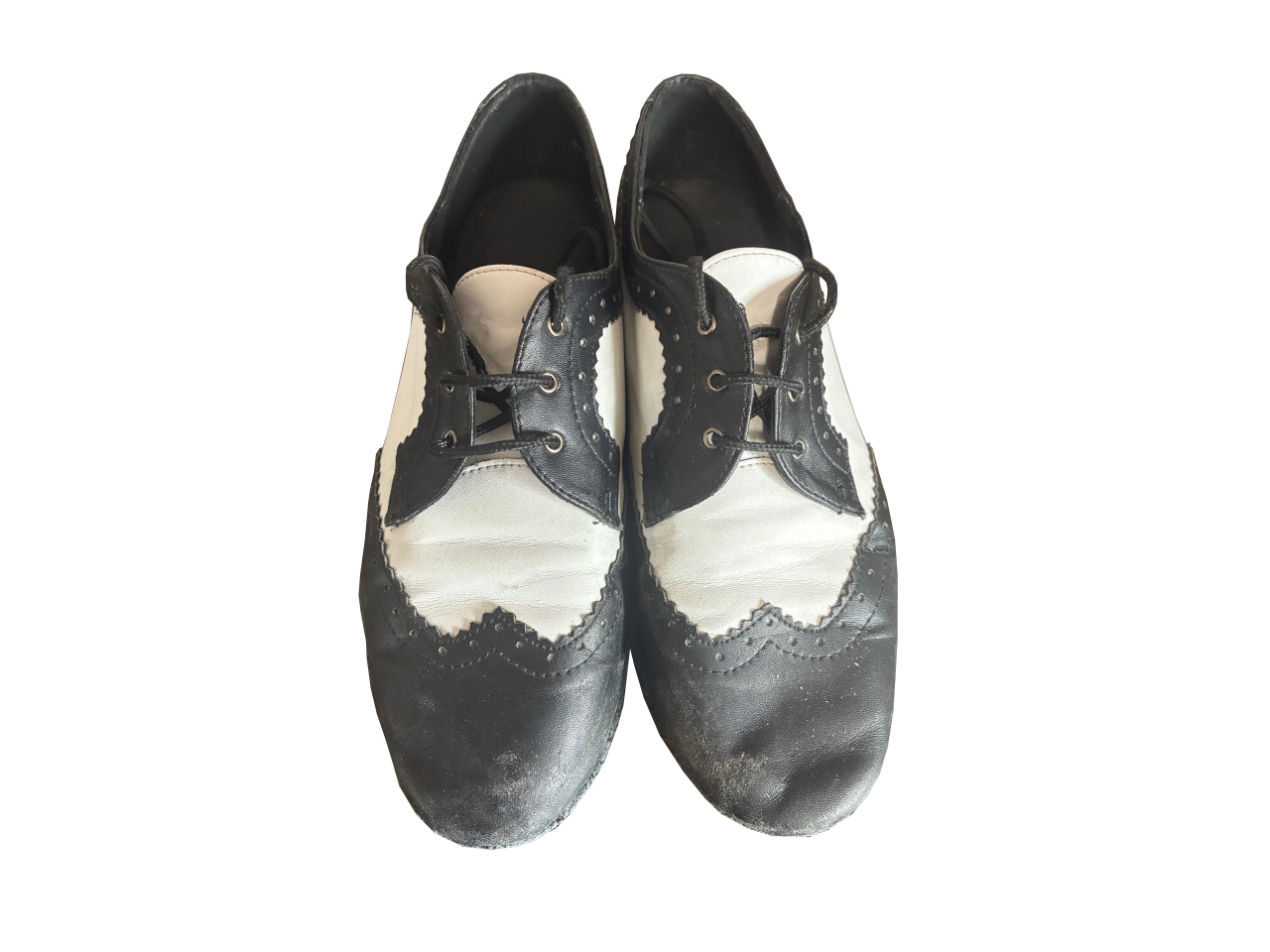
</script>]]></content><author><name></name></author><summary type="html"><![CDATA[A guide to dance shoe strap variations, fastener types, and materials, exploring how they impact structural support, dancer fit, and shoe longevity.]]></summary></entry><entry><title type="html">Very Fine Dancesport Zephyr Men’s Ballroom Dance Shoe Review</title><link href="https://dancewearlabs.com/2026/05/20/very-fine-dancesport-zephyr-mens-ballroom-dance-shoe-review.html" rel="alternate" type="text/html" title="Very Fine Dancesport Zephyr Men’s Ballroom Dance Shoe Review" /><published>2026-05-20T08:00:00-05:00</published><updated>2026-05-20T08:00:00-05:00</updated><id>https://dancewearlabs.com/2026/05/20/very-fine-dancesport-zephyr-mens-ballroom-dance-shoe-review</id><content type="html" xml:base="https://dancewearlabs.com/2026/05/20/very-fine-dancesport-zephyr-mens-ballroom-dance-shoe-review.html"><![CDATA[<p><img src="/assets/images/2026-05-20/very-fine-dancesport-zephy-mens-ballroom-shoes-pair.jpg" alt="Pair of Very Fine Dancesport Zephy men's ballroom shoes" /></p>

<p>One of my favorite pairs of shoes right now is a two-tone, black and white design, similar to the Zephyrs. They’ve lasted me about a year at this point and still going strong. After a year, the leather has stretched, but that isn’t a problem at all because the open-lace design allows me to cinch the shoe tighter, more than compensating for the stretch. The white exterior has become scuffed and dirty, which is unavoidable with white shoes. These are all features that the Zephyrs share and should be taken into account when making a purchase. In this review, you’ll learn what makes the Zephyrs so great, and the areas they could improve.</p>

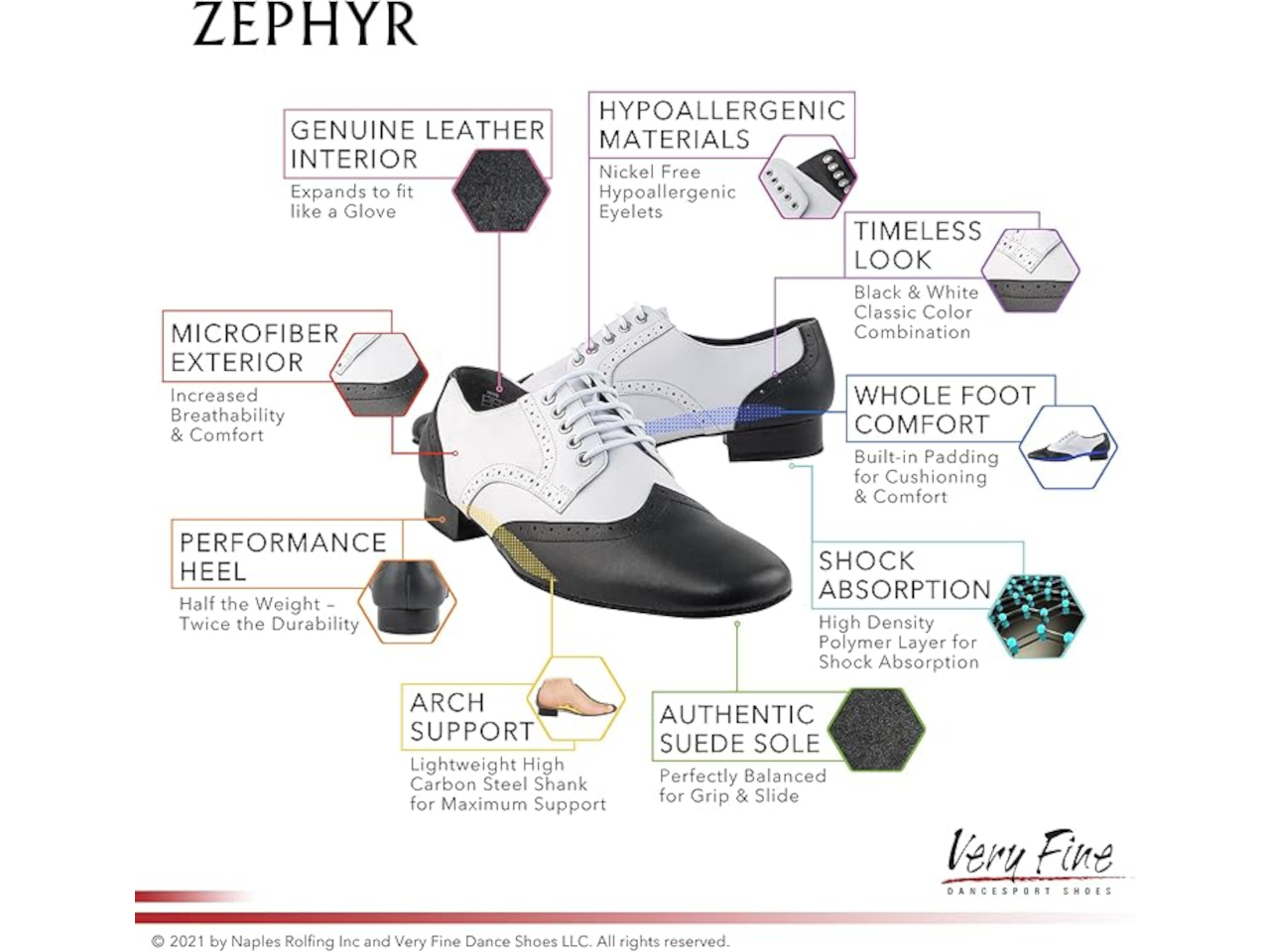
<h2 id="what-very-fine-says-about-the-zephyr">What Very Fine Says About the Zephyr</h2>

<ul>
  <li><strong>Suede Sole:</strong> This suede sole gives you the right mix of grip and slide on wood floors.</li>
  <li><strong>Leather Inside:</strong> The lining uses real leather to give your feet a smooth feel while you dance.</li>
  <li><strong>Arch Support:</strong> A built-in shank adds balance to provide arch support.</li>
  <li><strong>Cushioned Padding:</strong> Extra built-in pads protect your feet from hard wear and shock.</li>
  <li><strong>One-Inch Heel:</strong> The low heel keeps your balance safe and steady.</li>
  <li><strong>Man-Made Upper:</strong> The outside features a black and white look made from micro fiber.</li>
</ul>

<p><img src="/assets/images/2026-05-20/very-fine-dancesport-zephy-mens-ballroom-shoes-manufactorer-claims.jpg" alt="Manufactoruer claims about the Very Fine Dancesport Zephy men's ballroom shoes" /></p>

<h2 id="what-dancers-say">What Dancers Say</h2>

<h3 id="comfort-35">Comfort (3/5)</h3>

<p>The thin insole padding flattens down fast during the first few weeks of wear. The real leather inside molds to the shape of your foot over time. However, the micro-fiber outer layer limits how much the upper can stretch. The thin insole is a clear area for improvement; a thicker foam pad would provide additional comfort during long dance sessions.</p>

<h3 id="support-45">Support (4/5)</h3>

<p>The built-in shank sits between the heel and toe to give solid arch support. The wide one inch heel keeps your weight steady during fast turns and heel leads. While the side walls feel thin, the open laces keep your feet locked in. A thicker side wall provides more support for the sides of your shoe.</p>

<h3 id="sizing-45">Sizing (4/5)</h3>

<p>These shoes fit true to length but run a bit wide. The good news is the open-lace design lets you pull the sides tight for a better fit. This is especially important when the uppers stretch.</p>

<blockquote>
  <p><strong>Pro Tip:</strong> Learn how the different closures help with sizing and longevity in our <a href="/2026/05/18/the-different-types-of-ballroom-shoe-closure.html">guide to dance shoe closures</a>.</p>
</blockquote>

<h3 id="longevity-45">Longevity (4/5)</h3>

<p>The inner leather layer will stretch as you use the shoes. Even then, you can use the open laces to tighten the fit and fix the slack. The suede sole will eventually wear thin, but can easily be replaced.</p>

<h3 id="style-455">Style (4.5/5)</h3>

<p>The high-contrast black and white look creates a classic vintage style. Perforations along the seams add a clean visual texture to the panels. While the white panels scuff easily, the design stands out on the competition floor.</p>

<h2 id="final-verdict">Final Verdict</h2>

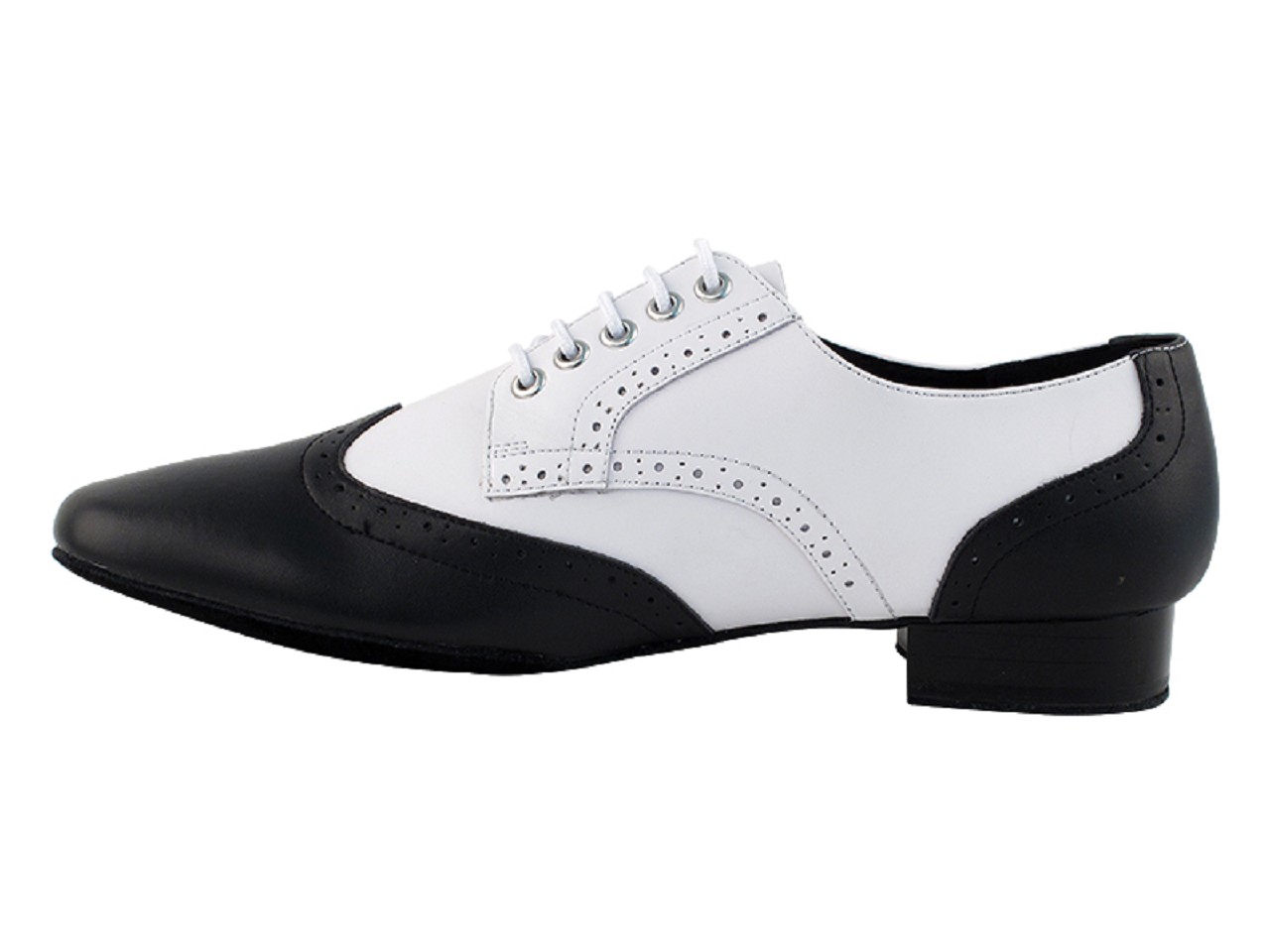
<p><img src="/assets/images/2026-05-20/very-fine-dancesport-zephy-mens-ballroom-shoes-single.jpg" alt="Right shoe of a pair of Very Fine Dancesport Zephy men's ballroom shoes" /></p>

<p>The Zephyr is a good shoe overall. It’s adequate for long periods of dance, though your feet may become sore given the thin cushioning of the insole. It may be worth sizing your shoes up and inserting your own insole. The open lace design is more than adequate to accomodate wide feet and off-the-shelf insoles. This same closure design will ensure that you can continue to tighten these shoes well after the break-in period and the leather stretches. The two-tone design is classy and will make you stand out on the floor. Over time, though, the micro-fiber exterior will become scuffed and dirty. At this point, these shoes can transition into a great practice shoe that will last you a very long time.</p>

<p>Are you ready to turn heads on the floor? <a href="https://amzn.to/49VaYAy">Find the Very Fine Zephyr on Amazon</a>.</p>

<script type="application/ld+json">
{
  "@context": "https://schema.org",
  "@type": "Product",
  "name": "Very Fine Dancesport Zephyr Men's Ballroom Dance Shoe",
  "image": [
    "/assets/images/2026-05-20/very-fine-dancesport-zephy-mens-ballroom-shoes-pair.jpg",
    "/assets/images/2026-05-20/very-fine-dancesport-zephy-mens-ballroom-shoes-single.jpg"
  ],
  "description": "The Very Fine Zephyr is a classic two-tone, black and white men's ballroom dance shoe featuring an open-lace design, a genuine leather lining, built-in arch support, and a split suede sole.",
  "brand": {
    "@type": "Brand",
    "name": "Very Fine Dancesport"
  },
  "offers": {
    "@type": "Offer",
    "url": "https://amzn.to/49VaYAy",
    "itemCondition": "https://schema.org/NewCondition",
    "availability": "https://schema.org/InStock"
  },
  "review": {
    "@type": "Review",
    "reviewRating": {
      "@type": "Rating",
      "ratingValue": "3.9",
      "bestRating": "5",
      "worstRating": "1",
      "description": "The overall score of 3.9 is calculated as the straight mathematical average of five distinct dancer-voted performance categories: Comfort (3/5), Support (4/5), Sizing (4/5), Longevity (4/5), and Style (4.5/5)."
    },
    "author": {
      "@type": "Person",
      "name": "Dancewear Labs Reviewer"
    },
    "datePublished": "2026-05-20",
    "reviewBody": "The Very Fine Zephyr is an overall good ballroom shoe with a standout vintage aesthetic and exceptional adaptability due to its open-lace design. While the thin insole padding leaves room for improvement over long dance sessions, its solid arch support, true-to-length sizing, and long-term durability make it an excellent choice for both social dancing and practice.",
    "publisher": {
      "@type": "Organization",
      "name": "Dancewear Labs"
    }
  }
}
</script>]]></content><author><name></name></author><summary type="html"><![CDATA[The Very Fine Zephyr is a classic two-tone, black and white men's ballroom dance shoe featuring an open-lace design, a genuine leather lining, built-in arch support, and a split suede sole.]]></summary></entry><entry><title type="html">Very Fine Dancesport Gabriella Women’s Ballroom Dance Shoe Review</title><link href="https://dancewearlabs.com/2026/05/19/very-fine-dancesport-gabriella-womens-latin-dance-shoe-review.html" rel="alternate" type="text/html" title="Very Fine Dancesport Gabriella Women’s Ballroom Dance Shoe Review" /><published>2026-05-19T08:00:00-05:00</published><updated>2026-05-19T08:00:00-05:00</updated><id>https://dancewearlabs.com/2026/05/19/very-fine-dancesport-gabriella-womens-latin-dance-shoe-review</id><content type="html" xml:base="https://dancewearlabs.com/2026/05/19/very-fine-dancesport-gabriella-womens-latin-dance-shoe-review.html"><![CDATA[<p><img src="/assets/images/2026-05-19/very-fine-dancesport-gabriellas-rhythm-shoes-pair.jpg" alt="Very Fine Dancesport Gabriellas Rhythm Shoe Pair" /></p>

<p>When I first switched to a higher heel for rhythm and latin dancing, I could immediately feel the difference. The taller heel forced me to put more weight into the toe of my foot, which in turn improved my dancing. The taller heel on the Gabriella is a popular choice for dancers who want a mix of style and comfort without breaking the bank. In this review, you will learn about the standout features of this shoe and what to keep in mind when sizing.</p>

<h2 id="what-very-fine-says-about-the-gabriella">What Very Fine Says About the Gabriella</h2>

<ul>
  <li><strong>Classic 2.5-Inch Heel:</strong> A standard heel height built for rhythm and latin dances.</li>
  <li><strong>Cushioned Insole:</strong> Designed for shock absorption and foot protection during long sessions on the floor.</li>
  <li><strong>Minimal Shank Board:</strong> Built to give a balance of arch support and flexibility.</li>
  <li><strong>Suede Sole:</strong> High quality natural suede on the outer sole for the right amount of traction and slide.</li>
  <li><strong>Quick Release Buckle:</strong> Uses a clip and hook system for fast adjustments.</li>
</ul>

<h2 id="what-dancers-say">What Dancers Say</h2>

<h3 id="comfort-45">Comfort (4/5)</h3>

<p>The cushioned insole of these shoes makes them comfortable for extended periods of dancing. Even though the toe box of these shoes runs wide, the straps on the inside edge may press into your big toe uncomfortably. Like any dance shoe, there is a break-in period for the upper shoe to conform to your foot. These shoes trend towards a short breaking in period, likely due to the wider toe box.</p>

<h3 id="support-35">Support (3/5)</h3>

<p>A shank between the heel and toe provides arch support. The shank is connected to the heel, but split from the toe. Naturally, a taller heel will be more difficult to balance. While both of these design features aid in the stylization and technique of rhythm and latin dancing, they do compromise support. Further, the T-strap is primarily decorative. The strap wraps around the top of the foot to keep the shoe from slipping. The strap running across the top of your foot from the toe box doesn’t tighten.</p>

<h3 id="sizing-45">Sizing (4/5)</h3>

<p>The toe box of the Gabriellas runs wide, which is a feature for dancers with wider feet or bunions. For others, the wider toe box may necessitate more aggressive sizing down when picking these shoes. The satin uppers will stretch and conform to your foot, so aggressive sizing down benefits those with narrow feet. Overall, as long as you keep in mind that these are wide shoes, you will be able to find the appropriate size.</p>

<h3 id="longevity-45">Longevity (4/5)</h3>

<p>The Gabriella shoes won’t last you years, but they will last you longer than the average dance shoe. Many dancers have put countless hours into these shoes and they still hold up. The strap will stretch, so you may need to occasionally go down a hole when buckling them. The suede bottoms will eventually become matted, but can be restored using a wire brush. The aspect of these shoes to look out for is the occasional quality control issue Very Fine is subject to when mass producing their shoes.</p>

<h3 id="style-35">Style (3/5)</h3>

<p>The Gabriella is generally a stylish shoe, blending in with other rhythm and latin shoes. This, however, is its weak point; it blends in. Further, the T-strap and solid sides of the toe box tend to be a more modest look than other styles. The T-strap is even more noticeable because it doesn’t tighten, meaning when pointing your toe, a common stylization for rhythm and latin dances, the bottom of your foot will lift off of the insole, creating a gap between foot and shoe.</p>

<p><img src="/assets/images/2026-05-19/very-fine-dancesport-gabriellas-rhythm-shoes-single.jpg" alt="Very Fine Dancesport Gabriellas Rhythm Shoe left shoe" /></p>

<h2 id="final-verdict">Final Verdict</h2>

<p>Like many of Very Fine’s shoes, the Gabriellas are comfortable and provide adequate support. These shoes in particular run wide, which isn’t an issue with the shoe, but rather an aspect to keep in mind when shopping. The style trends to rhythm ballroom styles more than latin dancing. As such, these shoes are great for the ballroom dancer with wide feet looking for a practice shoe or a social dancer looking for a shoe that will keep them going through the night.</p>

<p>Are the Gabriellas the perfect shoe for you? <a href="https://amzn.to/4fbbxtN">Shop the Very Fine Gabriella on Amazon</a>.</p>

<script type="application/ld+json">
{
  "@context": "https://schema.org",
  "@type": "Product",
  "name": "Very Fine Dancesport Gabriella Women's Ballroom Dance Shoe",
  "image": "",
  "description": "The Very Fine Gabriella is a classic 2.5-inch open-toe T-strap Latin and Rhythm ballroom dance shoe featuring a wide toe box, satin upper, and cushioned insoles.",
  "brand": {
    "@type": "Brand",
    "name": "Very Fine Dancesport"
  },
  "offers": {
    "@type": "Offer",
    "url": "https://amzn.to/4fbbxtN",
    "priceCurrency": "USD",
    "price": "95.00",
    "itemCondition": "https://schema.org/NewCondition",
    "availability": "https://schema.org/InStock"
  },
  "review": {
    "@type": "Review",
    "reviewRating": {
      "@type": "Rating",
      "ratingValue": "3.6",
      "bestRating": "5",
      "worstRating": "1"
    },
    "author": {
      "@type": "Person",
      "name": "Ty Kellogg",
      "url": "https://dancewearlabs.com/about/ty-kellogg"
    },
    "datePublished": "2026-05-19",
    "reviewBody": "The Very Fine Gabriella is an incredibly comfortable mid-range option for social and rhythm ballroom dancers with wider feet. While it offers an excellent break-in period and great padding, the T-strap can gap during foot articulation and the ankle straps tend to stretch with heavy use.",
    "publisher": {
      "@type": "Organization",
      "name": "Dancewear Labs"
    }
  }
}
</script>]]></content><author><name></name></author><summary type="html"><![CDATA[The Very Fine Gabriella is a classic 2.5-inch open-toe T-strap Latin and Rhythm ballroom dance shoe featuring a wide toe box, satin upper, and cushioned insoles.]]></summary></entry><entry><title type="html">The Different Types of Ballroom Shoe Closure</title><link href="https://dancewearlabs.com/2026/05/18/the-different-types-of-ballroom-shoe-closure.html" rel="alternate" type="text/html" title="The Different Types of Ballroom Shoe Closure" /><published>2026-05-18T08:00:00-05:00</published><updated>2026-05-18T08:00:00-05:00</updated><id>https://dancewearlabs.com/2026/05/18/the-different-types-of-ballroom-shoe-closure</id><content type="html" xml:base="https://dancewearlabs.com/2026/05/18/the-different-types-of-ballroom-shoe-closure.html"><![CDATA[<p>When it comes to men’s ballroom shoes, the closure is an important part of the construction of the shoe. There are two main types of closure, closed lacing and open lacing. In this article, you’ll learn about both types of closure, and in which scenarios you should consider each.</p>

<p><img src="/assets/images/2026-05-18/closed-lace-closure-design.jpg" alt="Example of closed lace closure design on a dance shoe" /></p>

<h2 id="the-oxford-closed-lacing">The Oxford: Closed Lacing</h2>

<p>Closed lacing, often called the Oxford, is when the sides of the closure are flush together. The bottom of the closure, the end closest to the toe, is stitched underneath the edge of the toe box. Because of this, and the flush sides, there is less room for error when it comes to sizing. The flush nature of the closure prevents cinching the laces tighter to create a more snug fit. Because the bottom of the closure is stitched to the toe box, opening the closure for a wider fit is similarly prevented. What this means is that shoes with an Oxford closure benefit from a precise fit. This design is the classic style for ballroom dance shoes.</p>

<p>One of the shortcomings of the Oxford closure is that the tongue of the shoe is more likely to slip down. Because the sides of the closure are flush with each other, there isn’t space to attach a loop to the tongue that the laces can thread through. The purpose of such a loop is to keep the tongue in place, both from being pushed into the toe box and from slipping to either side in the shoe. However, because of the necessity for a snug fit with an Oxford, the tongue can be held in place by a tight fit between the closure and the top of your foot.</p>

<p>Because of the classic and formal style of closed lace shoes, they are better suited for the traditional ballroom styles of dance. If you can hit the sizing just right, the style of these shoes will complement your whole ensemble.</p>

<p><img src="/assets/images/2026-05-18/open-lace-closure-design.jpg" alt="Example of open lace closure design on a dance shoe" /></p>

<h2 id="the-derby-open-lacing">The Derby: Open Lacing</h2>

<p>Open lacing, or the Derby, is when there is a gap between the edges of the closure. Derby closures are much more flexible with the sizing than Oxfords. The sides of the closure do not sit flush with each other. Instead, they are flaps sewn over the top of the upper part of the shoe. The gap between the edges of the closure is function over form. Because the flaps have a gap between them, they can be cinched down tighter when pulling the laces, easily creating a tight fit over narrow feet. Additionally, because the flaps are sewn to the top of the upper shoe instead of underneath the toe box, the edges can more easily separate, which accommodates a wider foot.</p>

<p>Derby shoes may often not avoid the shortcomings of the Oxford style of closure when it comes to the tongue slipping. Because there is a gap between the edges of the closure, there is space for a loop to be sewn to the tongue that the laces can be threaded through. When this loop is present, the laces hold the tongue in place beneath the closure, keeping it from slipping into the toe box or down the sides of the shoe.</p>

<p>Because open lace shoes tend to focus on function over style, they are better suited as practice or social dancing shoes. They offer more flexibility, and more room for the leather to stretch, meaning this style of shoes will continue to perform after many hours of dance. They are passable for competition, but may lose you a placement when you and your competitor are equally skilled, but the competition is rocking some Oxfords.</p>

<h2 id="which-one-is-better">Which one is better?</h2>

<p>Neither the open lace nor closed lace design is objectively better than the other. As a reviewer, I have to acknowledge that which you choose depends entirely on the use case. If you’re a competitive dancer looking for a formal or classic shoe, then a closed lace Oxford design fits the bill. If you’re a social dancer or looking for a practice shoe that will last you a long time, the open lace Derby design may be better suited for the task.</p>

<p>As a dancer myself, I can say that having tried both types of closures over the years, I strongly prefer the open lace design. However, my situation is as an amateur dancer in the competitive scene, and an avid social dancer with many hours on the dancefloor. I am also a person who tends to shop for utility over style, which further tips the scales in Derby’s favor. As a result, I don’t need the formal style of the Oxfords, and receive more benefit from the Derby style.</p>

<p>The closure is just one of the many aspects of a ballroom dance shoe. Check out <a href="/2026/05/11/why-do-leather-dance-shoes-stretch.html">why your leather dance shoes stretch</a> to learn about another important design: the material of the upper part of the shoe.</p>

<script type="application/ld+json">
	{
	  "@context": "https://schema.org",
	  "@type": "BlogPosting",
	  "mainEntityOfPage": {
	    "@type": "WebPage"
	  },
	  "headline": "The Different Types of Ballroom Shoe Closure",
	  "description": "Learn the key differences between closed lacing (Oxford) and open lacing (Derby) in men's ballroom dance shoes. Discover which closure style offers the best fit, functionality, and formal appeal for your competitive or social dancing needs.",
	  "image": [
	    "/assets/images/2026-05-18/closed-lace-closure-design.jpg",
	    "/assets/images/2026-05-18/open-lace-closure-design.jpg"
	  ],
	  "author": {
	    "@type": "Person",
	    "name": "Ty Kellogg"
	  },
	  "datePublished": "2026-05-18T08:00:00-05:00",
	  "dateModified": "2026-05-18T08:00:00-05:00",
	  "articleSection": "Ballroom Dance Shoes",
	  "keywords": "ballroom shoes, dance shoes, Oxford closure, Derby closure, men's dance shoes, closed lacing, open lacing"
	}
</script>]]></content><author><name></name></author><summary type="html"><![CDATA[Learn the key differences between closed lacing (Oxford) and open lacing (Derby) in men's ballroom dance shoes. Discover which closure style offers the best fit, functionality, and formal appeal for your competitive or social dancing needs]]></summary></entry><entry><title type="html">Very Fine Dancesport Adrian Men’s Ballroom Dance Shoe Review</title><link href="https://dancewearlabs.com/2026/05/14/very-fine-dancesport-adrian-mens-ballroom-dance-shoe-review.html" rel="alternate" type="text/html" title="Very Fine Dancesport Adrian Men’s Ballroom Dance Shoe Review" /><published>2026-05-14T08:00:00-05:00</published><updated>2026-05-14T08:00:00-05:00</updated><id>https://dancewearlabs.com/2026/05/14/very-fine-dancesport-adrian-mens-ballroom-dance-shoe-review</id><content type="html" xml:base="https://dancewearlabs.com/2026/05/14/very-fine-dancesport-adrian-mens-ballroom-dance-shoe-review.html"><![CDATA[<p><img src="/assets/images/2026-05-14/very-fine-dancsesport-adrian-mens-ballroom-dance-shoes-pair.jpg" alt="A pair of Very Fine Adrian men's ballroom dance shoes" /></p>

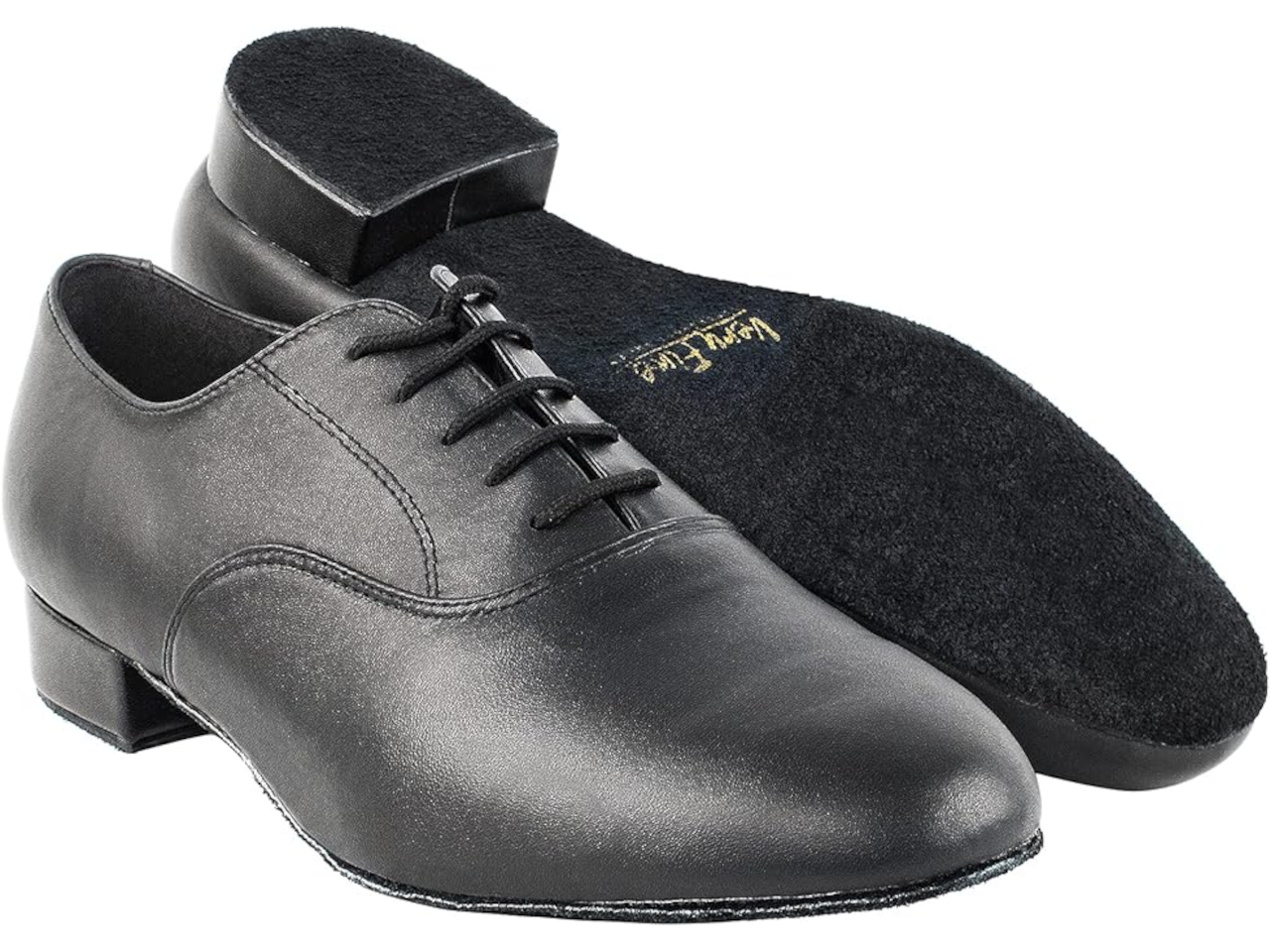
<p>I don’t have a wide foot in the traditional sense, but the bones on the outside of my foot are angled outward from the ball of my foot, which means standard fit shoes often have a longer breaking in period for me than for others. When I was first becoming obsessed with dance and looking for a shoe to get me up and running, I wish I had known about the Adrians. I could have sized down and benefitted from the wide toe box instead of bearing a long break-in period for my first ever pair of dance shoes. In this review, you’ll learn what makes the Adrian great for ballroom dancers with wide feet, and what to consider when purchasing this shoe.</p>

<h2 id="what-very-fine-says-about-the-adrian">What Very Fine Says About the Adrian</h2>

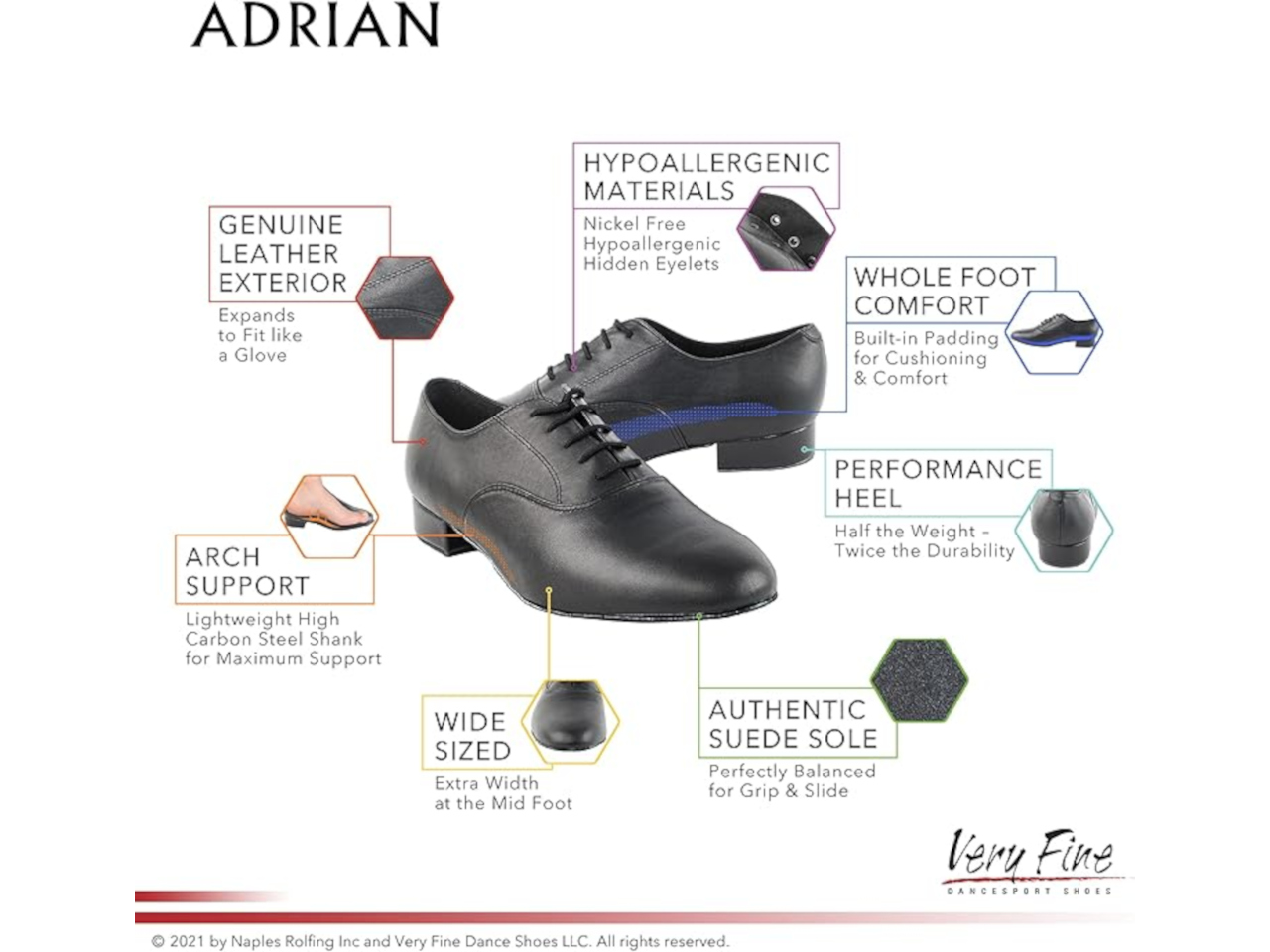
<ul>
  <li><strong>Genuine Leather Upper:</strong> The shoe uses soft leather on the outside for a close fit.</li>
  <li><strong>Wide Toe Box:</strong> Extra width around the ball of the foot and toe area gives your feet more room.</li>
  <li><strong>Suede Sole:</strong> The bottom features a suede sole built for turns on a wood floor.</li>
  <li><strong>Built-in Padding:</strong> An extra cushioned footbed helps absorb shock and protect your feet.</li>
  <li><strong>Arch Support:</strong> The shoe includes an internal shank to help with balance and comfort.</li>
  <li><strong>One-Inch Heel:</strong> The low heel helps stabilize your weight on the practice floor.</li>
</ul>

<p><img src="/assets/images/2026-05-14/very-fine-dancsesport-adrian-mens-ballroom-dance-shoes-manufacturer-claims.jpg" alt="Very Fine Adrian men's ballroom dance shoes manufacturer claims" /></p>

<h2 id="what-dancers-say">What Dancers Say</h2>

<h3 id="comfort-35">Comfort (3/5)</h3>

<p>The internal cushion makes this shoe easy to wear for long sessions. A thin leather upper keeps the shoe lightweight and breathable. However, the tongue is short and can slip down into the shoe. Sizing down helps prevent friction and stops blisters from forming.</p>

<h3 id="support-35">Support (3/5)</h3>

<p>The wide one-inch heel provides a stable base during heel leads. An internal shank offers clear support for your arch, heel, and midfoot. While the base is steady, the soft sides offer less support over time. This shoe works well for social dancing but lacks top-tier stiffness.</p>

<h3 id="sizing-45">Sizing (4/5)</h3>

<p>This shoe fits true to standard USA street sizing. The wide toe box gives your toes plenty of room to spread without pinching. Because the soft leather stretches with use, you may want to buy a half size smaller. A tight initial fit ensures the shoe stays snug later.</p>

<h3 id="longevity-35">Longevity (3/5)</h3>

<p>The soft leather upper will stretch and lose support over time. Main seams sit in the middle, so the toe box stretches the most. However, vertical side seams help prevent stretching when you tie the laces tight.</p>

<blockquote>
  <p><strong>Pro Tip:</strong> Leather stretches over time. Learn all about why your leather dance shoes stretch in <a href="/2026/05/11/why-do-leather-dance-shoes-stretch.html">our comprehensive guide</a>.</p>
</blockquote>

<h3 id="style-35">Style (3/5)</h3>

<p>This shoe features a classic plain-toe look that blends in on the practice floor. The black leather finish looks clean but lacks unique details. It offers a standard look without drawing extra attention.</p>

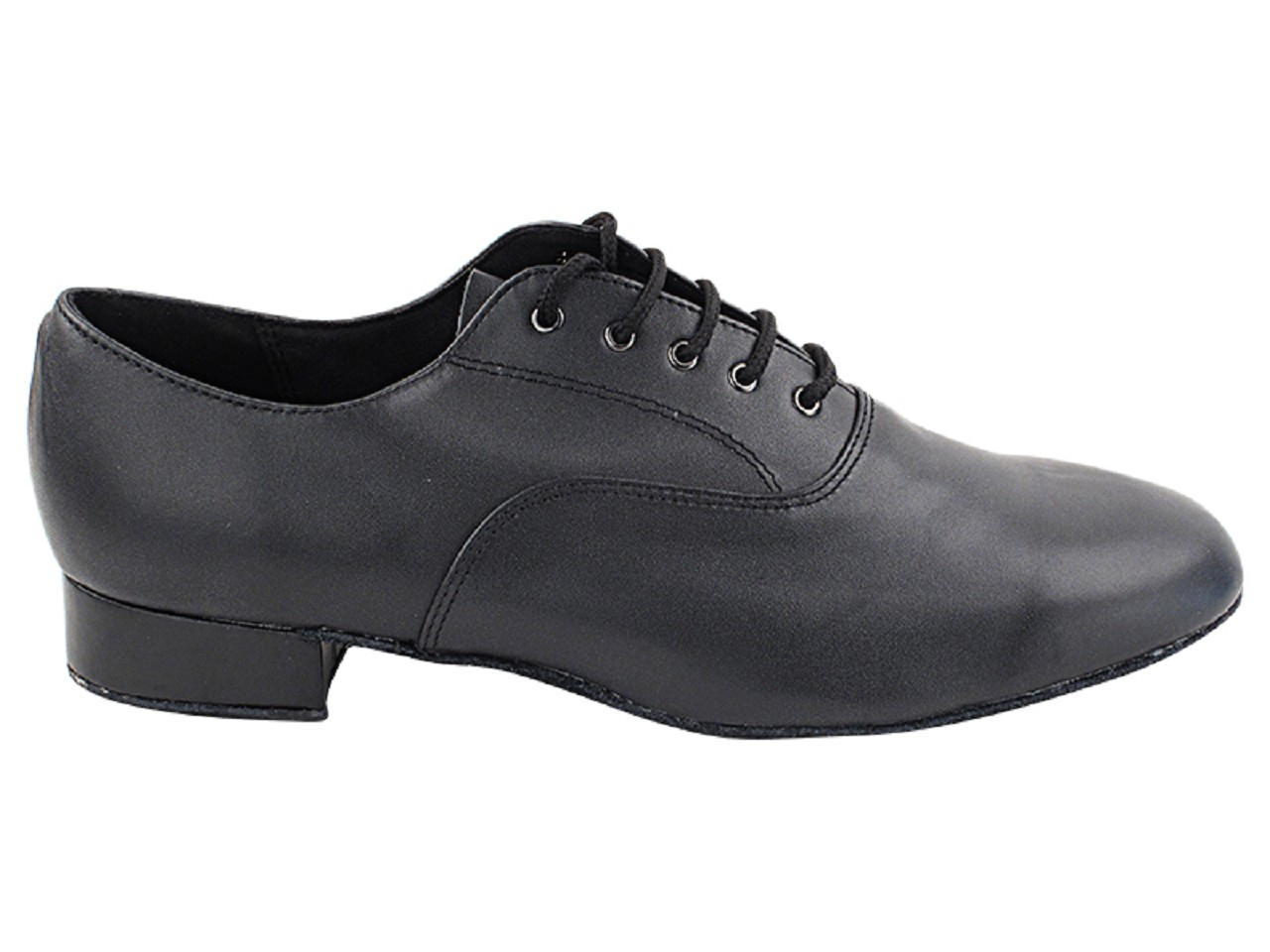
<p><img src="/assets/images/2026-05-14/very-fine-dancsesport-adrian-mens-ballroom-dance-shoes-single.jpg" alt="The right shoe of a Very Fine Adrian men's ballroom dance shoes" /></p>

<h2 id="final-verdict">Final Verdict</h2>

<p>The Very Fine Adrian is a solid choice for social dancers who need a true wide fit. The soft leather and wide toe box are excellent for comfort. However, the short tongue lacks a lace loop and can slip down into the shoe. The good news is the detached tongue lets you open the shoe wide to slide your foot inside easily. While the thin leather will stretch over time, the Adrian is a staple for a reason. It gives wide feet a great budget-friendly option to learn the steps.</p>

<p>Are you ready to glide across the floor with comfort? <a href="https://amzn.to/4wxQAPC">Buy the Very Fine Adrian on Amazon</a>. You can often find better pricing on Amazon than on the maker’s own site.</p>

<script type="application/ld+json">
{
  "@context": "https://schema.org/",
  "@type": "Review",
  "name": "Very Fine Dancesport Adrian Men's Ballroom Dance Shoe Review",
  "headline": "A solid, budget-friendly choice for social dancers offering a true wide fit and soft leather",
  "datePublished": "2026-05-15T08:00:00-0500",
  "author": {
    "@type": "Person",
    "name": "Ty Kellogg"
  },
  "reviewBody": "The Very Fine Adrian is a solid choice for social dancers who need a true wide fit. Featuring a wide toe box and an extra cushioned footbed, it offers excellent comfort and room for your feet to spread. A wide one-inch heel and internal shank provide steady base support, while the genuine soft leather keeps the shoe lightweight and breathable. Trade-offs to consider are a short tongue that can slip down into the shoe and thin leather that will stretch and lose some support over time. Sizing down a half size is highly recommended to maintain a snug fit. Ultimately, it is a great budget-friendly option for wide feet to learn the steps.",
  "reviewRating": {
    "@type": "Rating",
    "ratingValue": "3.2",
    "bestRating": "5",
    "worstRating": "1",
    "description": "Calculated average based on Comfort (3/5), Support (3/5), Sizing (4/5), Longevity (3/5), and Style (3/5)."
  },
  "itemReviewed": {
    "@type": "Product",
    "name": "Adrian Men's Ballroom Dance Shoe",
    "image": [
      "/assets/images/2026-05-15/very-fine-adrian-mens-ballroom-dance-shoe-pair.jpg",
      "/assets/images/2026-05-15/very-fine-adrian-mens-ballroom-dance-shoe-single.jpg"
    ],
    "description": "A men's ballroom dance shoe featuring a genuine leather upper, wide toe box, suede sole, extra cushioned footbed, internal arch support shank, and a one-inch heel.",
    "brand": {
      "@type": "Brand",
      "name": "Very Fine Dancesport"
    },
    "offers": {
      "@type": "Offer",
      "price" : "119.99",
      "url": "https://amzn.to/4wxQAPC",
      "availability": "https://schema.org/InStock"
    }
  },
  "positiveNotes": {
    "@type": "ItemList",
    "itemListElement": [
      {
        "@type": "ListItem",
        "position": 1,
        "name": "True wide toe box provides plenty of room for toes to spread without pinching."
      },
      {
        "@type": "ListItem",
        "position": 2,
        "name": "Internal cushion makes the shoe highly comfortable for long practice sessions."
      },
      {
        "@type": "ListItem",
        "position": 3,
        "name": "Detached tongue lets you open the shoe wide for easy foot insertion."
      }
    ]
  },
  "negativeNotes": {
    "@type": "ItemList",
    "itemListElement": [
      {
        "@type": "ListItem",
        "position": 1,
        "name": "Soft leather upper stretches over time, leading to a loss of support."
      },
      {
        "@type": "ListItem",
        "position": 2,
        "name": "The short tongue lacks a lace loop and can slip down into the shoe during use."
      },
      {
        "@type": "ListItem",
        "position": 3,
        "name": "Classic black leather finish is standard but lacks unique style details."
      }
    ]
  }
}
</script>]]></content><author><name></name></author><summary type="html"><![CDATA[]]></summary></entry><entry><title type="html">Why Do Leather Dance Shoes Stretch</title><link href="https://dancewearlabs.com/2026/05/11/why-do-leather-dance-shoes-stretch.html" rel="alternate" type="text/html" title="Why Do Leather Dance Shoes Stretch" /><published>2026-05-11T08:00:00-05:00</published><updated>2026-05-11T08:00:00-05:00</updated><id>https://dancewearlabs.com/2026/05/11/why-do-leather-dance-shoes-stretch</id><content type="html" xml:base="https://dancewearlabs.com/2026/05/11/why-do-leather-dance-shoes-stretch.html"><![CDATA[<h2 id="introduction">Introduction</h2>

<p>Leather is a natural material made from either animal hide, or, in the case of vegan leather, plants or plastics. Because leather is often made from organic materials, and because organic materials are malleable, leather can stretch. However, just how much it stretches is determined by many factors, from the type of leather, the finish, to the construction of the shoe itself. When it comes to dance shoes, each of these considerations must be taken into account when you are picking out the perfect shoes for your dance.</p>

<h2 id="type-of-leather">Type of Leather</h2>

<p>While there is more nuance than is presented below, the leather that dance shoes are made of are divided into three categories: animal hide, plant-based, and synthetic. However, the exact animal leather comes from will have different characteristics that will impact the stretch. In the same way, the organic material used to make the plant-based leather, or the exact type of synthetic leather, will have different properties. However, to understand why your leather dance shoes stretch, the general categories will tell you why your shoes stretch.</p>

<h3 id="animal-hide-leather">Animal Hide Leather</h3>

<p>Leather made from animal hide is the traditional material for dance shoes. In fact, both the upper part of many dance shoes and the bottoms are made from leather. The suede bottoms to dance shoes are made from the lower layers of the animal skin, which tends to be softer and more pliable than the outer skin. The softness is what makes suede-bottom shoes a great material for sliding your foot across the dance floor.</p>

<blockquote>
  <p><strong>Pro-Tip:</strong> You can extend the life of your suede bottom dance shoes by properly taking care of them. <a href="/2026/04/26/how-to-take-care-of-your-suede-bottom-dance-shoes.html">Check out our article on how to take care of your suede bottom dance shoes</a>.</p>
</blockquote>

<p>The upper part of your shoes can be made from suede, the outer layer of the animal hide, or even be patent leather, which is leather that is coated in a glossy material. While patent leather may be made from animal hide, its properties more closely match those of synthetic leather, so check out that section below to learn more about patent leather.</p>

<p>Because leather made from animal hide is organic, there is a natural malleability to the material. Think about your own skin; it can stretch and shrink as your body changes. Animal hide leather has the same characteristics as your own skin, which is why leather dance shoes are often referred to as your “second skin.” This type of leather has the most stretch of the three options. Suede will stretch a lot, but other animal hides will stretch considerably.</p>

<h3 id="plant-based-leather">Plant-Based Leather</h3>

<p>Leather made from plants is the most eco-friendly material for dance shoes. Depending on what the actual material is made out of will influence how much the material stretches. However, since this type of vegan leather is made from organic materials, all will naturally stretch since organic materials are malleable. Generally, plant-based leathers will stretch less than animal hide, but more than synthetic materials. The exception may be cork. Vegan leather made from cork shares some rigidity characteristics of synthetic leathers, though maintains its eco-friendly status.</p>

<h3 id="synthetic-leather">Synthetic Leather</h3>

<p>Synthetic leathers are made from plastics or similar materials. The synthetic materials are typically coatings on other fabrics to mimic the characteristics of animal hide leather. Depending on the fabric, the synthetic leather will retain some of the stretchiness of the underlying fabric. Despite this, synthetic materials lack the malleability of organic materials, such as animal hide or plant-based leathers. Because of this, there is an overall low amount of stretch from synthetic leathers.</p>

<p>As noted above, patent leather is made from animal-hide, but has a synthetic coating. Because of this coating, the inorganic nature of the coating means that the malleability of the underlying leather doesn’t have anywhere to stretch. As a result, there is a low amount of stretch for dance shoes made with patent leather.</p>

<h2 id="construction-of-the-shoe">Construction of the Shoe</h2>

<p>While the materials of the upper part of the shoe is important when evaluating whether and how much a leather dance shoe will stretch, how a shoe is designed determines in what ways the leather will stretch. Specifically, a shoe made from a single piece of moulded leather will be able to stretch in all directions. However, a shoe made from multiple panels of leather will only be able to stretch in the directions that the panel is facing. This is because the seams between the panels won’t stretch nearly as much as the leather itself, if at all. Generally, the more panels and seams there are on a shoe, the less it will stretch relative to the raw material.</p>

<h3 id="single-panel-shoe-design">Single Panel Shoe Design</h3>

<p>A shoe with a single panel that wraps around the entire upper part of the shoe will have the most amount of stretch since it can stretch in all directions. This means that over time, the shoe will feel longer, wider, and you will begin to have difficulties cinching the shoe down because the sides will have stretched upwards. When shopping for a single-panel shoe, you will want a size that is tighter than you would normally choose. While it may be uncomfortable when you first begin wearing them, they will quickly stretch to accommodate the shape and size of your foot. In fact, single panel shoes may be the most comfortable shoe once they’re broken in. However, they will continue to stretch, and the comfort will be replaced with a loose feeling, and therefore dangerous, shoe.</p>

<p><img src="/assets/images/2026-05-11/single-panel-design-example.jpg" alt="Single Panel Shoe Design Example" /></p>

<p>My first pair of dance shoes were a single panel design. I made the mistake of purchasing shoes that were close to my normal shoe size. As a result, once they were broken in, they didn’t last very long because they stretched too much. Even now, when they have been repurposed as general shoes for occasional use, I’m surprised every time I wear them just how loose they are. They’re looser than my foot itself, which goes to show that leather may continue to stretch even beyond the size and shape of your foot.</p>

<h3 id="multi-panel-shoe-design">Multi-Panel Shoe Design</h3>

<p>A shoe with multiple panels will behave differently depending on where the seams between the panels are placed. A vertical seam on the sides will help prevent the leather from stretching vertically, but will do little to stop the leather from stretching horizontally along the length of the shoe. Similarly, a horizontal seam will help prevent the shoe from lengthening over time.</p>

<p>Where the seams are placed will also impact some of the stretching characteristics of the shoes that may or may not be desirable. A seam near the toe box will prevent the toe box from expanding a whole lot. A seam near the heel will similarly prevent the heel cup from expanding.</p>

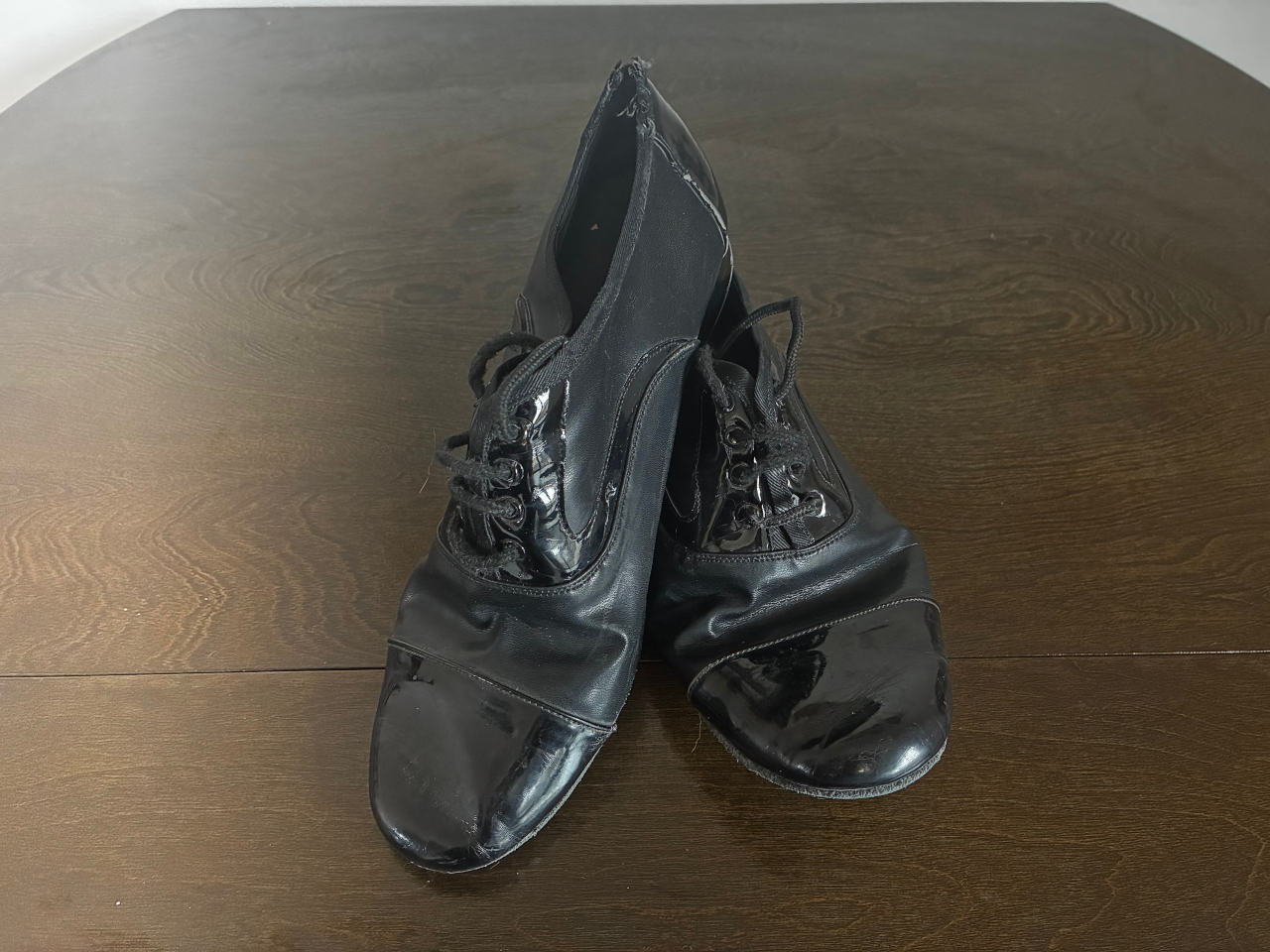
<p><img src="/assets/images/2026-05-11/multi-panel-shoe-design-example.jpg" alt="Single Panel Shoe Design Example" /></p>

<p>Another important consideration of a multi-panel shoe design is each panel’s materials. With a multi-panel design, you can mix and match different leathers to influence how to shoe stretches over time. My second pair of shoes were a multi-panel design with a patent leather toe box. What these shoes ended up doing was the sides of the shoe stretched, but the toe box did not. Now, whenever I wear these shoes as a shoe for social dancing on sticky or abrasive floors, the toe fits well, but the sides have become a looser fit.</p>

<h3 id="the-design-of-the-fastener">The Design of the Fastener</h3>

<p>One of the considerations of dance shoe design that impacts how a shoe stretches over time is the fastener. For women’s ballroom shoes, the fastener is often a strap. For designs with a strap, the strap itself will stretch, resulting in using increasingly tighter eyelets to compensate the stretch. At some point, you may need to invest in a leather hole-punch to add new eyelets to the strap.</p>

<p>For men’s ballroom dance shoes, the fastener is often a set of laces. Because laces cinch the shoe tight, they are pulling the the sides of the shoe upwards and over the top of your foot. This causes an upward stretch in the material. This is most notable when the eyelets themselves stretch, resulting in bigger holes where the laces are threaded through the shoe.</p>

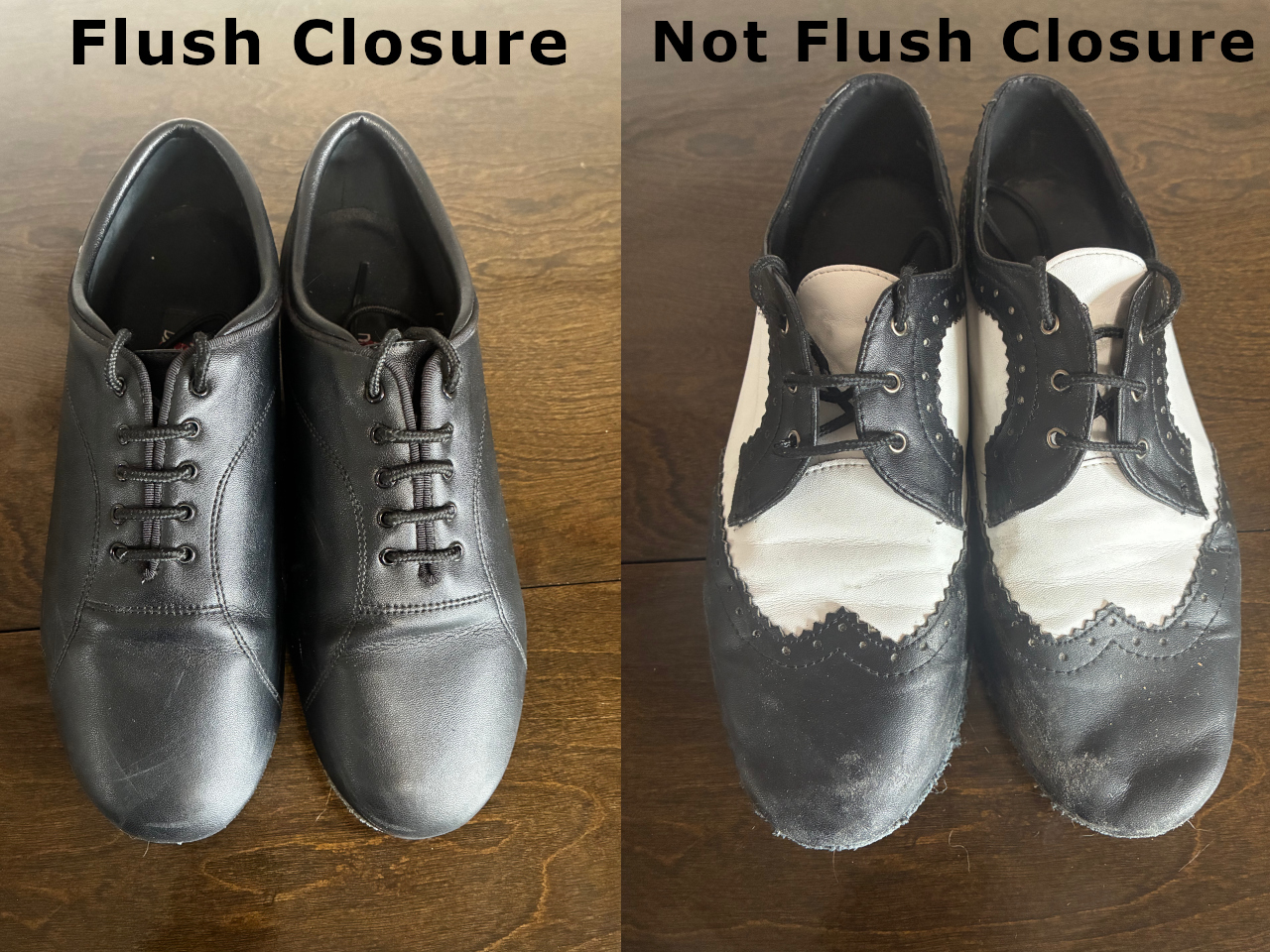
<p><img src="/assets/images/2026-05-11/flush-versus-not-flush-closure-design-example.jpg" alt="Flush versus Not Flush Closure Design Example" /></p>

<p>A laced shoe with a closure with edges that sit flush against each other will have less tension when cinching the shoe tight, and stretch the sides slower. However, a closure with edges that aren’t flush with each other will put more pressure on the sides when cinching tight because the edges don’t stop each other. However, the additional space between the edges of the closure contribute to longevity because there is more room for the leather to stretch before it becomes too loose to cinch any tighter.</p>

<h2 id="conclusion">Conclusion</h2>

<p>This article went over how the materials and design of a shoe contributes to why leather dance shoes stretch. The materials determine whether and how much the shoe will stretch. Animal hide leather will stretch the most, followed by plant-based leathers, and synthetic leathers with the least amount of stretch. The number of panels and how the closure and fastener is designed determines in what ways the shoes will stretch, with the more panels and closure types directly contributing to how the leather stretches. And finally, a combination of materials and panels can result in a long-lasting, comfortable fit, when properly implemented.</p>

<script type="application/ld+json">
{
  "@context": "https://schema.org",
  "@graph": [
    {
      "@type": "Article",
      "headline": "Why Do Leather Dance Shoes Stretch",
      "description": "Leather is a natural material made from either animal hide, or, in the case of vegan leather, plants or plastics. Because leather is often made from organic materials, and because organic materials are malleable, leather can stretch. However, just how much it stretches is determined by many factors, from the type of leather, the finish, to the construction of the shoe itself. When it comes to dance shoes, each of these considerations must be taken into account when you are picking out the perfect shoes for your dance.",
      "image": [
        "https://dancewearlabs.com/assets/images/2026-05-11/single-panel-design-example.jpg",
        "https://dancewearlabs.com/assets/images/2026-05-11/multi-panel-shoe-design-example.jpg",
        "https://dancewearlabs.com/assets/images/2026-05-11/flush-versus-not-flush-closure-design-example.jpg"
      ],
      "datePublished": "2026-05-11T08:00:00-0500",
      "author": {
        "@type": "Person",
        "name": "Ty Kellogg"
      },
      "articleBody": "Leather is a natural material made from either animal hide, or, in the case of vegan leather, plants or plastics. Because leather is often made from organic materials, and because organic materials are malleable, leather can stretch. However, just how much it stretches is determined by many factors, from the type of leather, the finish, to the construction of the shoe itself. When it comes to dance shoes, each of these considerations must be taken into account when you are picking out the perfect shoes for your dance. While there is more nuance than is presented below, the leather that dance shoes are made of are divided into three categories: animal hide, plant-based, and synthetic. However, the exact animal leather comes from will have different characteristics that will impact the stretch. In the same way, the organic material used to make the plant-based leather, or the exact type of synthetic leather, will have different properties. However, to understand why your leather dance shoes stretch, the general categories will tell you why your shoes stretch. Leather made from animal hide is the traditional material for dance shoes. In fact, both the upper part of many dance shoes and the bottoms are made from leather. The suede bottoms to dance shoes are made from the lower layers of the animal skin, which tends to be softer and more pliable than the outer skin. The softness is what makes suede-bottom shoes a great material for sliding your foot across the dance floor. The upper part of your shoes can be made from suede, the outer layer of the animal hide, or even be patent leather, which is leather that is coated in a glossy material. While patent leather may be made from animal hide, its properties more closely match those of synthetic leather, so check out that section below to learn more about patent leather. Because leather made from animal hide is organic, there is a natural malleability to the material. Think about your own skin; it can stretch and shrink as your body changes. Animal hide leather has the same characteristics as your own skin, which is why leather dance shoes are often referred to as your “second skin.” This type of leather has the most stretch of the three options. Suede will stretch a lot, but other animal hides will stretch considerably. Leather made from plants is the most eco-friendly material for dance shoes. Depending on what the actual material is made out of will influence how much the material stretches. However, since this type of vegan leather is made from organic materials, all will naturally stretch since organic materials are malleable. Generally, plant-based leathers will stretch less than animal hide, but more than synthetic materials. The exception may be cork. Vegan leather made from cork shares some rigidity characteristics of synthetic leathers, though maintains its eco-friendly status. Synthetic leathers are made from plastics or similar materials. The synthetic materials are typically coatings on other fabrics to mimic the characteristics of animal hide leather. Depending on the fabric, the synthetic leather will retain some of the stretchiness of the underlying fabric. Despite this, synthetic materials lack the malleability of organic materials, such as animal hide or plant-based leathers. Because of this, there is an overall low amount of stretch from synthetic leathers. As noted above, patent leather is made from animal-hide, but has a synthetic coating. Because of this coating, the inorganic nature of the coating means that the malleability of the underlying leather doesn’t have anywhere to stretch. As a result, there is a low amount of stretch for dance shoes made with patent leather. While the materials of the upper part of the shoe is important when evaluating whether and how much a leather dance shoe will stretch, how a shoe is designed determines in what ways the leather will stretch. Specifically, a shoe made from a single piece of moulded leather will be able to stretch in all directions. However, a shoe made from multiple panels of leather will only be able to stretch in the directions that the panel is facing. This is because the seams between the panels won’t stretch nearly as much as the leather itself, if at all. Generally, the more panels and seams there are on a shoe, the less it will stretch relative to the raw material. A shoe with a single panel that wraps around the entire upper part of the shoe will have the most amount of stretch since it can stretch in all directions. This means that over time, the shoe will feel longer, wider, and you will begin to have difficulties cinching the shoe down because the sides will have stretched upwards. When shopping for a single-panel shoe, you will want a size that is tighter than you would normally choose. While it may be uncomfortable when you first begin wearing them, they will quickly stretch to accommodate the shape and size of your foot. In fact, single panel shoes may be the most comfortable shoe once they’re broken in. However, they will continue to stretch, and the comfort will be replaced with a loose feeling, and therefore dangerous, shoe. My first pair of dance shoes were a single panel design. I made the mistake of purchasing shoes that were close to my normal shoe size. As a result, once they were broken in, they didn’t last very long because they stretched too much. Even now, when they have been repurposed as general shoes for occasional use, I’m surprised every time I wear them just how loose they are. They’re looser than my foot itself, which goes to show that leather may continue to stretch even beyond the size and shape of your foot. A shoe with multiple panels will behave differently depending on where the seams between the panels are placed. A vertical seam on the sides will help prevent the leather from stretching vertically, but will do little to stop the leather from stretching horizontally along the length of the shoe. Similarly, a horizontal seam will help prevent the shoe from lengthening over time. Where the seams are placed will also impact some of the stretching characteristics of the shoes that may or may not be desirable. A seam near the toe box will prevent the toe box from expanding a whole lot. A seam near the heel will similarly prevent the heel cup from expanding. Another important consideration of a multi-panel shoe design is each panel’s materials. With a multi-panel design, you can mix and match different leathers to influence how to shoe stretches over time. My second pair of shoes were a multi-panel design with a patent leather toe box. What these shoes ended up doing was the sides of the shoe stretched, but the toe box did not. Now, whenever I wear these shoes as a shoe for social dancing on sticky or abrasive floors, the toe fits well, but the sides have become a looser fit. One of the considerations of dance shoe design that impacts how a shoe stretches over time is the fastener. For women’s ballroom shoes, the fastener is often a strap. For designs with a strap, the strap itself will stretch, resulting in using increasingly tighter eyelets to compensate the stretch. At some point, you may need to invest in a leather hole-punch to add new eyelets to the strap. For men’s ballroom dance shoes, the fastener is often a set of laces. Because laces cinch the shoe tight, they are pulling the the sides of the shoe upwards and over the top of your foot. This causes an upward stretch in the material. This is most notable when the eyelets themselves stretch, resulting in bigger holes where the laces are threaded through the shoe. A laced shoe with a closure with edges that sit flush against each other will have less tension when cinching the shoe tight, and stretch the sides slower. However, a closure with edges that aren’t flush with each other will put more pressure on the sides when cinching tight because the edges don’t stop each other. However, the additional space between the edges of the closure contribute to longevity because there is more room for the leather to stretch before it becomes too loose to cinch any tighter. This article went over how the materials and design of a shoe contributes to why leather dance shoes stretch. The materials determine whether and how much the shoe will stretch. Animal hide leather will stretch the most, followed by plant-based leathers, and synthetic leathers with the least amount of stretch. The number of panels and how the closure and fastener is designed determines in what ways the shoes will stretch, with the more panels and closure types directly contributing to how the leather stretches. And finally, a combination of materials and panels can result in a long-lasting, comfortable fit, when properly implemented.",
      "mainEntityOfPage": {
        "@type": "WebPage",
        "@id": "https://dancewearlabs.com/2026/05/11/why-do-leather-dance-shoes-stretch"
      }
    }
  ]
}
</script>]]></content><author><name></name></author><summary type="html"><![CDATA[]]></summary></entry><entry><title type="html">Very Fine Dancesport Melody vs Vienna Women’s Ballroom Shoes</title><link href="https://dancewearlabs.com/2026/05/08/very-fine-dancesport-melody-vs-vienna-womens-ballrom-shoes.html" rel="alternate" type="text/html" title="Very Fine Dancesport Melody vs Vienna Women’s Ballroom Shoes" /><published>2026-05-08T08:00:00-05:00</published><updated>2026-05-08T08:00:00-05:00</updated><id>https://dancewearlabs.com/2026/05/08/very-fine-dancesport-melody-vs-vienna-womens-ballrom-shoes</id><content type="html" xml:base="https://dancewearlabs.com/2026/05/08/very-fine-dancesport-melody-vs-vienna-womens-ballrom-shoes.html"><![CDATA[<p><img src="/assets/images/2026-05-08/very-fine-dancesport-melody-and-vienna-shoes.jpg" alt="Very Fine Dancesport Melody and Vienna Shoes" /></p>

<h2 id="shared-features">Shared Features</h2>

<p>Both the Melody and the Vienna feature natural suede soles, which are designed to provide the perfect balance of traction and slide on hardwood and other non-abrasive floors. The uppers are constructed from a flesh-colored satin; while this offers a beautiful, professional look, it is worth noting that satin is a delicate material prone to scuffing and becoming dirty over time. Each model also features a quick-release clasp system, a nice-to-have for dancers who need to change shoes quickly or frequently.</p>

<h2 id="the-melody">The Melody</h2>

<p><img src="/assets/images/2026-04-29/melody-dance-shoes-pair.jpg" alt="Pair of Very Fine Dancesport Melody women's ballroom dance shoes" /></p>

<h3 id="technical-breakdown">Technical Breakdown</h3>

<p>The Melody is a hybrid shoe designed to perform well for Smooth styles while remaining a capable option for Rhythm dancing. Featuring a two-piece design with a separate heel cup and toe box, it is arguably the more stylish of the two options. This is a feature typically borrowed from Rhythm and Latin shoes to allow for greater foot movement. The Melody uses a double-wrap strap system for a secure fit; however, dancers should be aware that the extra length of the strap may lead to more noticeable stretching over the life of the shoe.</p>

<p>The 2.5-inch heel is another feature geared toward Rhythm styles, forcing your weight toward your toe, which benefits frequent toe leads. That said, the toe box remains closed, a design choice standard for Smooth shoes. While this provides a classic look, it can be a weakness for Latin styles where an open-toed shoe offers better floor awareness. Overall, the Melody suffers slightly from a generalist philosophy. It is a good shoe for both styles, though perhaps not a great shoe for either.</p>

<h3 id="what-dancers-say">What Dancers Say</h3>

<p>Fellow dancers report that the Melody holds up impressively during long sessions involving both Smooth and Rhythm sets. One dancer I spoke to about this shoe specifically highlighted that the shank is anchored to the heel but not the toe box. This allows for the mid-foot movement required for Rhythm movements while still providing the arch support appreciated in Smooth dances.</p>

<p><a href="/2026/04/29/very-fine-melody-womens-ballroom-dance-shoe-review.html">Read our full review of the Melody</a></p>

<h2 id="the-vienna">The Vienna</h2>

<p><img src="/assets/images/2026-05-01/very-fine-vienna-ballroom-shoe-pair.jpg" alt="Pair of Very Fine Dancesport Vienna women's ballroom shoes" /></p>

<h3 id="technical-breakdown-1">Technical Breakdown</h3>

<p>The Vienna is a dedicated ballroom slipper designed specifically to excel in Smooth styles of dance. With a classic single-body construction and a closed toe, it provides a stable and secure foundation for the heel leads and turns found in Smooth styles. The 2-inch heel offers a lower, more sturdy base than the Melody, which is often preferred for competition or social dancing.</p>

<p>A single-strap closure easily secures the foot within the shoe, while the internal shank provides arch support for all-night comfort. While the classic design is understated and may not stand out on a crowded dance floor, its performance is consistent and reliable. The Vienna is a shoe for the dancer who prioritizes stability over hybrid versatility.</p>

<h3 id="what-dancers-say-1">What Dancers Say</h3>

<p>Dancers who focus primarily on Smooth styles frequently praise the Vienna for its superior support and security on the floor. Another dancer I interviewed for this comparison noted that the edge of the satin upper can cause blisters. Additionally, she lamented that the satin material is a magnet for scuffs.</p>

<p><a href="/2026/05/01/very-fine-vienna-womens-ballroom-dance-shoe-review.html">Read our full review of the Vienna</a></p>

<h2 id="final-verdict">Final Verdict</h2>

<p>Ultimately, both models are high-quality options that will allow you to dance the night away in comfort. Choosing between them comes down to your primary dance focus: if you need a stylish all-arounder that can handle a mix of styles, the Melody will likely suit your needs best. However, if your heart is in the Smooth styles and you value a stable, classic silhouette, the Vienna is the superior choice.</p>

<p>Ready to pick up your next pair of shoes?</p>

<p><a href="https://amzn.to/4cGJtg9">Purchase the Melody on Amazon</a></p>

<p><a href="https://amzn.to/4enljIS">Purchase the Vienna on Amazon</a></p>

<script type="application/ld+json">
{
  "@context": "https://schema.org/",
  "@type": "Review",
  "mainEntityOfPage": {
    "@type": "WebPage",
    "@id": "https://dancewearlabs.com/2026/05/08/very-fine-melody-vs-vienna-comparison"
  },
  "author": {
    "@type": "Person",
    "name": "Ty Kellogg"
  },
  "datePublished": "2026-05-08",
  "reviewBody": "A side-by-side evaluation of Very Fine Dancesport's Melody and Vienna models, comparing the versatility of a hybrid shoe against the stability of a dedicated smooth ballroom slipper.",
  "itemReviewed": {
    "@type": "Product",
    "name": "Very Fine Dancesport Melody and Vienna Comparison",
    "description": "Two of Very Fine's most popular women's ballroom shoes: the hybrid Melody and the Smooth-focused Vienna.",
    "brand": {
      "@type": "Brand",
      "name": "Very Fine Dancesport"
    },
    "offers": [
      {
        "@type": "AggregateOffer",
        "name": "Very Fine Melody",
		"priceCurrency": "USD",
		"lowPrice": "84",
		"highPrice": "109.99",
		"url": "https://amzn.to/4cGJtg9",
		"availability": "https://schema.org/InStock"
      },
      {
        "@type": "AggregateOffer",
        "name": "Very Fine Vienna",
		"priceCurrency": "USD",
		"lowPrice": "75.87",
		"highPrice": "114.99",
		"url": "https://amzn.to/4enljIS",
		"availability": "https://schema.org/InStock"
      }
    ]
  },
  "positiveNotes": {
    "@type": "ItemList",
    "itemListElement": [
      {
        "@type": "ListItem",
        "position": 1,
        "name": "The Melody provides excellent hybrid utility for those dancing both Smooth and Rhythm sets."
      },
      {
        "@type": "ListItem",
        "position": 2,
        "name": "The Vienna offers superior stability and arch support for dedicated Smooth dancers."
      },
      {
        "@type": "ListItem",
        "position": 3,
        "name": "Both shoes feature high-quality suede soles and quick-release clasps for convenience."
      }
    ]
  },
  "negativeNotes": {
    "@type": "ItemList",
    "itemListElement": [
      {
        "@type": "ListItem",
        "position": 1,
        "name": "Satin uppers on both models are prone to scuffing and show wear quickly."
      },
      {
        "@type": "ListItem",
        "position": 2,
        "name": "The Melody's double-strap system is susceptible to significant stretching over time."
      },
      {
        "@type": "ListItem",
        "position": 3,
        "name": "The Vienna's upper edge may cause blisters during the initial break-in period."
      }
    ]
  }
}
</script>]]></content><author><name></name></author><summary type="html"><![CDATA[]]></summary></entry><entry><title type="html">Very Fine Dancesport Perseus Men’s Ballroom Dance Shoe Review</title><link href="https://dancewearlabs.com/2026/05/07/very-fine-dancesport-perseus-mens-ballroom-dance-shoe-review.html" rel="alternate" type="text/html" title="Very Fine Dancesport Perseus Men’s Ballroom Dance Shoe Review" /><published>2026-05-07T08:00:00-05:00</published><updated>2026-05-07T08:00:00-05:00</updated><id>https://dancewearlabs.com/2026/05/07/very-fine-dancesport-perseus-mens-ballroom-dance-shoe-review</id><content type="html" xml:base="https://dancewearlabs.com/2026/05/07/very-fine-dancesport-perseus-mens-ballroom-dance-shoe-review.html"><![CDATA[<p><img src="/assets/images/2026-05-07/very-fine-perseus-mens-ballroom-dance-shoe-pair.jpg" alt="A pair of a Very Fine Perseus men's ballroom dance shoes" /></p>

<p>When I bought my first pair of dance shoes, I used my street size. They stretched so much that they’re now larger than my normal size. It’s been two years since I bought those shoes, but I’m reminded of those shoes when looking at the Very Fine Perseus shoes. This review covers the Perseus, a shoe for Ballroom and Smooth styles. In this review, you’ll learn about its features and how it holds up on the floor.</p>

<h2 id="what-very-fine-says-about-the-perseus">What Very Fine Says About the Perseus</h2>

<ul>
  <li><strong>Soft Leather Lining:</strong> The inside is lined with soft leather for comfort.</li>
  <li><strong>Suede Sole:</strong> A suede outer sole provides the right amount of slide and grip.</li>
  <li><strong>Heel Foam:</strong> High-density foam in the hell helps absorb shock from the floor.</li>
  <li><strong>Arch Support:</strong> A built-in shank provides arch support.</li>
  <li><strong>Leather Upper:</strong> The leather stretches to fit your foot.</li>
</ul>

<h2 id="what-dancers-say">What Dancers Say</h2>

<h3 id="comfort-35">Comfort (3/5)</h3>
<p>Dancers report the leather lining feels soft right away. The foam in the heel helps during long nights of dancing. It lacks the memory foam insole found in other models. While the shoe is stiff at first, the break-in period is short.</p>

<h3 id="support-35">Support (3/5)</h3>
<p>The 1-inch heel and shank provide a steady base for ballroom and smooth styles of dance. This helps with heel leads and turns. Some report the top of the shoe feels loose after a few months. However, it stays secure enough for most beginner tasks.</p>

<h3 id="sizing-35">Sizing (3/5)</h3>
<p>These shoes fit most feet but the toe box is wide. Dancers report the material stretches soon after you buy them. You may struggle to pull the laces tight enough for a snug fit. Because they stretch so much, you have more room to size down your shoe.</p>

<blockquote>
  <p><strong>Pro Tip:</strong> After the leather stretches, you can keep the shoe tight by wearing thick socks.</p>
</blockquote>

<h3 id="longevity-25">Longevity (2/5)</h3>
<p>The materials on this model tend to wear down quickly. Reports show the finish can flake or crack after some use. Sometimes the suede sole peels away from the shoe. The good news is you can glue the sole back down to save them.</p>

<h3 id="style-35">Style (3/5)</h3>
<p>The Perseus has a plain, classic look. It’s a black lace-up shoe that fits any dance studio. It won’t stand out, but it looks clean on the floor. The style works well for both ballroom and smooth dance styles.</p>

<h2 id="final-verdict">Final Verdict</h2>
<p>The Perseus is a good start for new social dancers. It offers a classic look and a soft feel. The main trade-offs are the quick stretching and low material life. It’s a middle-of-the-road shoe for dancers looking for a practice shoe. However, these shoes may not be a good fit the professional or avid social dancer.</p>

<p><img src="/assets/images/2026-05-07/very-fine-perseus-mens-ballroom-dance-shoe-single.jpg" alt="The right shoe of a Very Fine Perseus men's ballroom dance shoes" /></p>

<p>Want to try this shoe out? <a href="https://amzn.to/4npmmKD">Pick up the Very Fine Perseus here</a>. Even if you’re not ready to purchase this shoe, add it to your cart so you can come back to it later.</p>

<script type="application/ld+json">
{
  "@context": "https://schema.org/",
  "@type": "Review",
  "name": "Very Fine Dancesport Perseus Men's Ballroom Dance Shoe Review",
  "headline": "A middle-of-the-road practice shoe offering a classic look and soft feel for new social dancers",
  "datePublished": "2026-05-07T08:00:00-0500",
  "author": {
    "@type": "Person",
    "name": "Ty Kellogg"
  },
  "reviewBody": "The Very Fine Perseus is a shoe designed for Ballroom and Smooth styles. It is a good start for new social dancers, offering a classic black lace-up look and a soft feel right out of the box with a short break-in period. However, the main trade-offs are the quick leather stretching that makes the shoe feel loose over time, and a low material lifespan where the finish can crack and soles may peel. It's a middle-of-the-road option best suited for beginners looking for a practice shoe rather than professionals or avid social dancers.",
  "reviewRating": {
    "@type": "Rating",
    "ratingValue": "2.8",
    "bestRating": "5",
    "worstRating": "1",
    "description": "Calculated average based on Comfort (3/5), Support (3/5), Sizing (3/5), Longevity (2/5), and Style (3/5)."
  },
  "itemReviewed": {
    "@type": "Product",
    "name": "Perseus Men's Ballroom Dance Shoe",
    "image": [
      "/assets/images/2026-05-07/very-fine-perseus-mens-ballroom-dance-shoe-pair.jpg",
      "/assets/images/2026-05-07/very-fine-perseus-mens-ballroom-dance-shoe-single.jpg"
    ],
    "description": "A men's ballroom and smooth style dance shoe featuring a soft leather lining, suede sole, high-density heel foam, built-in arch support shank, and a stretchable leather upper.",
    "brand": {
      "@type": "Brand",
      "name": "Very Fine Dancesport"
    },
    "offers": {
      "@type": "Offer",
      "url": "https://amzn.to/4npmmKD",
      "availability": "https://schema.org/InStock",
      "priceCurrency": "USD",
      "price": "89"
    }
  },
  "positiveNotes": {
    "@type": "ItemList",
    "itemListElement": [
      {
        "@type": "ListItem",
        "position": 1,
        "name": "Soft leather lining and a short break-in period offer immediate comfort."
      },
      {
        "@type": "ListItem",
        "position": 2,
        "name": "A steady base provided by a 1-inch heel and built-in shank."
      },
      {
        "@type": "ListItem",
        "position": 3,
        "name": "Classic, plain look that works well for any studio setting."
      }
    ]
  },
  "negativeNotes": {
    "@type": "ItemList",
    "itemListElement": [
      {
        "@type": "ListItem",
        "position": 1,
        "name": "Materials degrade quickly with reports of peeling suede soles and flaking finishes."
      },
      {
        "@type": "ListItem",
        "position": 2,
        "name": "Leather stretches significantly, making the wide toe box feel looser over time."
      },
      {
        "@type": "ListItem",
        "position": 3,
        "name": "Lacks the memory foam insole featured in competing models."
      }
    ]
  }
}
</script>]]></content><author><name></name></author><summary type="html"><![CDATA[]]></summary></entry><entry><title type="html">Very Fine Vienna Women’s Ballroom Dance Shoe Review</title><link href="https://dancewearlabs.com/2026/05/01/very-fine-vienna-womens-ballroom-dance-shoe-review.html" rel="alternate" type="text/html" title="Very Fine Vienna Women’s Ballroom Dance Shoe Review" /><published>2026-05-01T08:00:00-05:00</published><updated>2026-05-01T08:00:00-05:00</updated><id>https://dancewearlabs.com/2026/05/01/very-fine-vienna-womens-ballroom-dance-shoe-review</id><content type="html" xml:base="https://dancewearlabs.com/2026/05/01/very-fine-vienna-womens-ballroom-dance-shoe-review.html"><![CDATA[<p><img src="/assets/images/2026-05-01/very-fine-vienna-ballroom-shoe-pair.jpg" alt="Pair of Very Fine Dancesport Vienna women's ballroom shoes" /></p>

<p>Finding a shoe that survives a full night of social dancing without leaving your feet throbbing is the ideal for many ballroom dancers. Whether you are prepping for a competition or just spending your Friday night at the studio, your footwear needs to be more than just pretty, it needs to be a tool. The Very Fine Vienna Women’s Dance Shoe is a classic entry in the Signature Collection that promises a blend of high-end materials and ergonomic support for the discerning dancer.</p>

<h2 id="what-very-fine-says-about-the-vienna-shoe">What Very Fine Says About the Vienna Shoe</h2>
<p>Very Fine focuses on the trifecta of style, comfort, and quality for the Vienna model. Unlike many budget-friendly options, the Vienna is built with specific anatomical supports designed to keep you on the floor longer.</p>

<ul>
  <li><strong>Enhanced Cushioning:</strong> The shoe features memory foam cushioning that runs the full length of the footbed, supplemented by a specialized memory foam heel to absorb impact.</li>
  <li><strong>Superior Arch Support:</strong> A built-in shank provides the stability needed for smooth dances like Waltz and Tango while maintaining enough flexibility for foot articulation.</li>
  <li><strong>Thicker Suede Soles:</strong> While many brands use a 1.5mm or 2mm suede sole, the Vienna features a 3mm natural suede bottom for a more durable and balanced experience.</li>
  <li><strong>Premium Leather Construction:</strong> The exterior is finished with high-quality leather, while the interior is lined with materials designed to stretch and conform to the unique shape of your foot over time.</li>
</ul>

<p><img src="/assets/images/2026-05-01/very-fine-vienna-ballroom-shoe-manufacturer-claims.jpg" alt="Very Fine Dancesport Vienna women's ballroom shoes manufacturer claims" /></p>

<h2 id="what-dancers-say">What Dancers Say</h2>

<h3 id="comfort-45">Comfort (4/5)</h3>
<p>The memory foam insole is a standout feature, with dancers reporting that these are among the most comfortable smooth shoes for long-term wear. However, they are notoriously stiff the first time you wear them. You should expect a break-in period before the leather and sole reach their peak flexibility.</p>

<blockquote>
  <p><strong>Pro Tip:</strong> To speed up the break-in process, manually bend and crease the heels before your first dance. This softens the initial stiffness and helps the shoe move with your foot immediately.</p>
</blockquote>

<h3 id="support-55">Support (5/5)</h3>
<p>Stability is where the Vienna truly shines. Experienced competitors, particularly those who prioritize foot health and stability, give this shoe high marks for its secure feel during movement. The arch support is substantial enough to make a noticeable difference for dancers who find other smooth shoes too flat.</p>

<h3 id="sizing-35">Sizing (3/5)</h3>
<p>Sizing for the Vienna can be tricky. The shoe trends toward a narrow fit, which is great for high-arch or narrow-footed dancers but challenging for others. If you have wider feet, the general consensus is to go up a half size from your normal street shoe. However, some dancers with narrow feet find they need to size down to keep their foot from slipping.</p>

<h3 id="longevity-55">Longevity (5/5)</h3>
<p>One of the best technical aspects of the Vienna is its single-panel design. By avoiding the multi-panel seams found in flashier shoes, Very Fine has eliminated common weak points where the shoe typically begins to fail or tear. Coupled with the thicker 3mm suede sole, this shoe is built to last through hundreds of hours of practice.</p>

<h3 id="style-35">Style (3/5)</h3>
<p>The Vienna is a beautiful, classic shoe that doesn’t need to rely on gimmicks. Its clean lines and high-quality leather finish make it versatile enough for both social dance floors and formal competitions. It captures a timeless ballroom aesthetic that pairs well with almost any dance attire. However, because it’s so timeless, your shoes won’t stand out on the dancefloor.</p>

<h2 id="final-verdict">Final Verdict</h2>
<p>The Very Fine Women’s Vienna is a workhorse masquerading as a luxury shoe. While it might require a bit of patience to break in and some trial-and-error to find your perfect size, the payoff is a highly stable, durable, and supportive shoe. It is an especially strong choice for dancers who need extra arch support or those who are tired of replacing thin-soled shoes every few months.</p>

<p><img src="/assets/images/2026-05-01/very-fine-vienna-ballroom-shoe-single.jpg" alt="Single Very Fine Dancesport Vienna women's ballroom shoes" /></p>

<p>Ready to upgrade your dance bag? You can <a href="https://amzn.to/4enljIS">check out the Very Fine Vienna on Amazon</a>, which often carries a wider range of sizes ready for immediate shipping.</p>

<script type="application/ld+json">
{
  "@context": "[https://schema.org/](https://schema.org/)",
  "@type": "Review",
  "name": "Very Fine Vienna Women's Ballroom Dance Shoe Review",
  "headline": "A highly stable and durable smooth shoe with exceptional arch support",
  "datePublished": "2026-05-01",
  "author": {
    "@type": "Person",
    "name": "Ty Kellogg"
  },
  "reviewBody": "The Very Fine Vienna Women’s Ballroom Dance Shoe is a classic entry in the Signature Collection that promises a blend of high-end materials and ergonomic support. Featuring a 3mm suede sole and a single-panel leather design, it offers superior longevity and stability for smooth styles. While it requires a break-in period and careful sizing, it remains a top choice for dancers prioritizing foot health and support.",
  "reviewRating": {
    "@type": "Rating",
    "ratingValue": "4.0",
    "bestRating": "5",
    "worstRating": "1",
    "description": "Calculated average based on Comfort (4/5), Support (5/5), Sizing (3/5), Longevity (5/5), and Style (3/5)."
  },
  "itemReviewed": {
    "@type": "Product",
    "name": "Vienna Women's Ballroom Dance Shoe",
    "image": [
      "/assets/images/2026-05-01/very-fine-vienna-womens-ballroom-dance-shoe-pair.jpg",
      "/assets/images/2026-05-01/very-fine-vienna-womens-ballroom-dance-shoe-detail.jpg"
    ],
    "description": "A women's ballroom dance shoe designed for style and comfort, featuring memory foam cushioning, a 3mm suede sole, and a single-panel leather design for maximum durability.",
    "brand": {
      "@type": "Brand",
      "name": "Very Fine Dancesport"
    },
    "offers": {
      "@type": "AggregateOffer",
      "priceCurrency": "USD",
      "lowPrice": "75.87",
      "highPrice": "114.99",
      "url": "https://amzn.to/4enljIS",
      "availability": "https://schema.org/InStock"
    }
  },
  "positiveNotes": {
    "@type": "ItemList",
    "itemListElement": [
      {
        "@type": "ListItem",
        "position": 1,
        "name": "Exceptional stability and arch support, ideal for competitors and long sessions."
      },
      {
        "@type": "ListItem",
        "position": 2,
        "name": "Highly durable single-panel design minimizes structural weak points."
      },
      {
        "@type": "ListItem",
        "position": 3,
        "name": "Thicker 3mm suede sole provides a superior balance of grip and glide."
      }
    ]
  },
  "negativeNotes": {
    "@type": "ItemList",
    "itemListElement": [
      {
        "@type": "ListItem",
        "position": 1,
        "name": "Stiff out of the box; requires a manual break-in period."
      },
      {
        "@type": "ListItem",
        "position": 2,
        "name": "Narrow fit can make sizing difficult for wide or low-volume feet."
      }
    ]
  }
}
</script>]]></content><author><name></name></author><summary type="html"><![CDATA[]]></summary></entry></feed>