The Different Types of Ballroom Shoe Closure
When it comes to men’s ballroom shoes, the closure is an important part of the construction of the shoe. There are two main types of closure, closed lacing and open lacing. In this article, you’ll learn about both types of closure, and in which scenarios you should consider each.
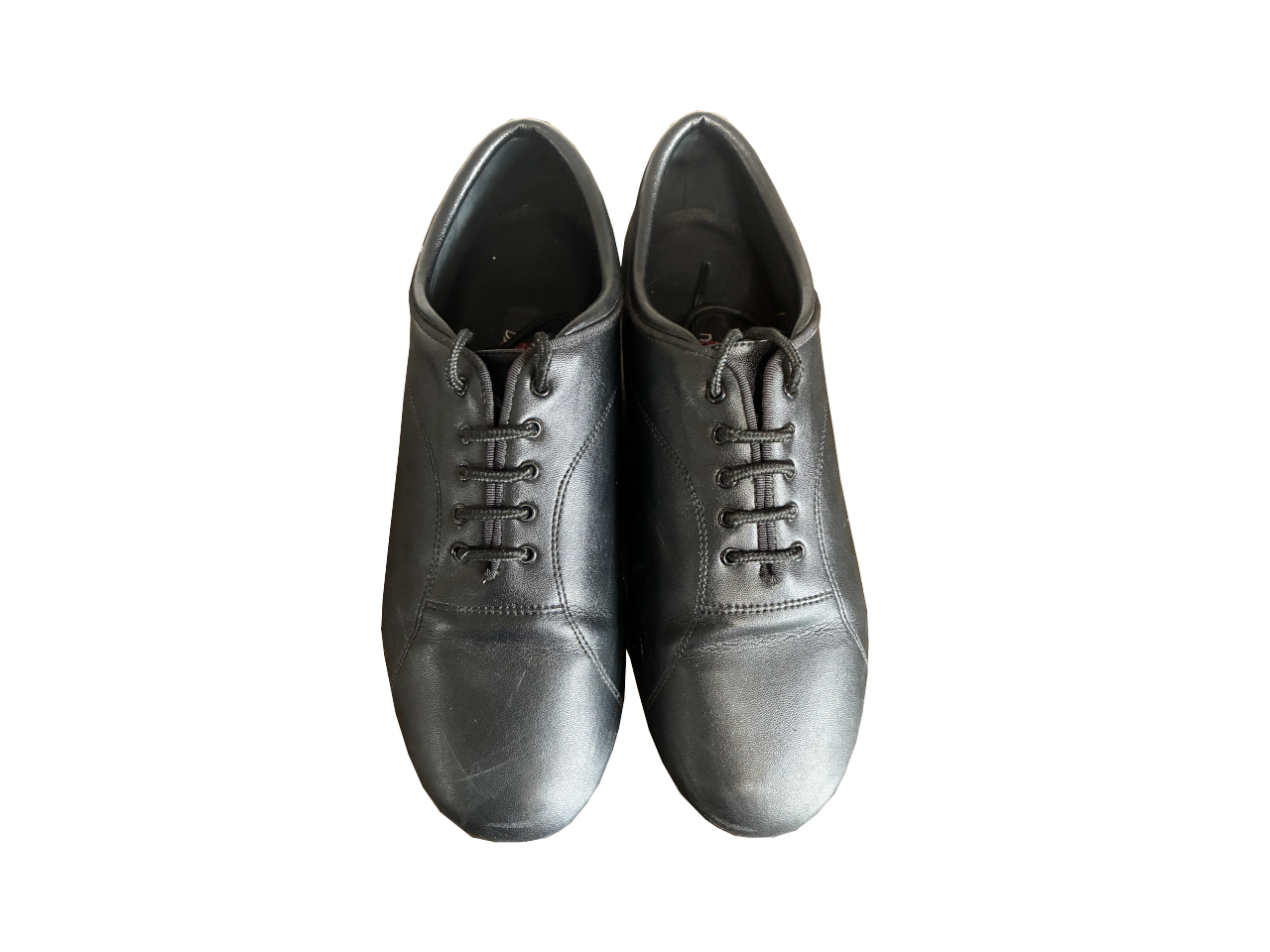
The Oxford: Closed Lacing
Closed lacing, often called the Oxford, is when the sides of the closure are flush together. The bottom of the closure, the end closest to the toe, is stitched underneath the edge of the toe box. Because of this, and the flush sides, there is less room for error when it comes to sizing. The flush nature of the closure prevents cinching the laces tighter to create a more snug fit. Because the bottom of the closure is stitched to the toe box, opening the closure for a wider fit is similarly prevented. What this means is that shoes with an Oxford closure benefit from a precise fit. This design is the classic style for ballroom dance shoes.
One of the shortcomings of the Oxford closure is that the tongue of the shoe is more likely to slip down. Because the sides of the closure are flush with each other, there isn’t space to attach a loop to the tongue that the laces can thread through. The purpose of such a loop is to keep the tongue in place, both from being pushed into the toe box and from slipping to either side in the shoe. However, because of the necessity for a snug fit with an Oxford, the tongue can be held in place by a tight fit between the closure and the top of your foot.
Because of the classic and formal style of closed lace shoes, they are better suited for the traditional ballroom styles of dance. If you can hit the sizing just right, the style of these shoes will complement your whole ensemble.
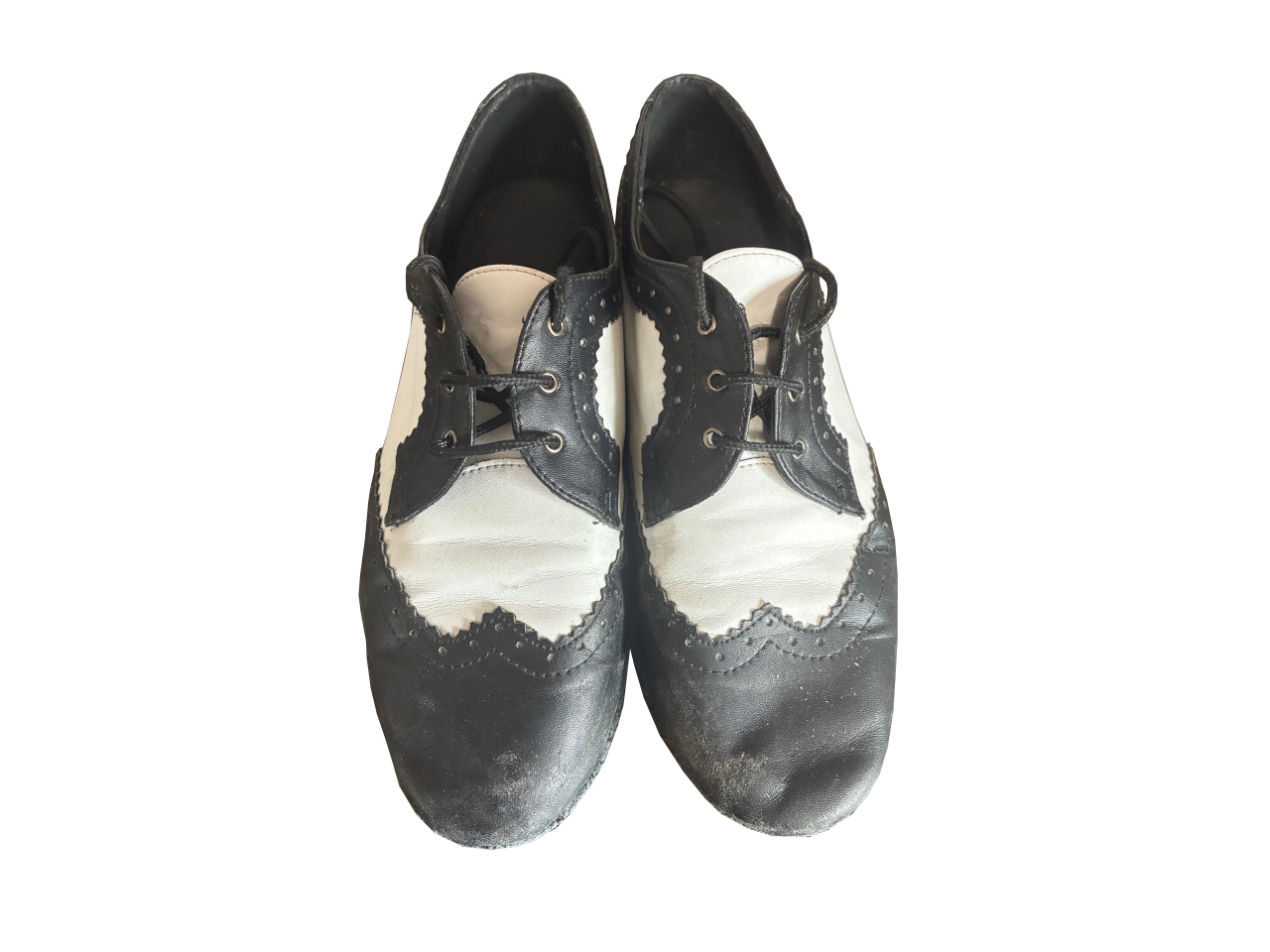
The Derby: Open Lacing
Open lacing, or the Derby, is when there is a gap between the edges of the closure. Derby closures are much more flexible with the sizing than Oxfords. The sides of the closure do not sit flush with each other. Instead, they are flaps sewn over the top of the upper part of the shoe. The gap between the edges of the closure is function over form. Because the flaps have a gap between them, they can be cinched down tighter when pulling the laces, easily creating a tight fit over narrow feet. Additionally, because the flaps are sewn to the top of the upper shoe instead of underneath the toe box, the edges can more easily separate, which accommodates a wider foot.
Derby shoes may often not avoid the shortcomings of the Oxford style of closure when it comes to the tongue slipping. Because there is a gap between the edges of the closure, there is space for a loop to be sewn to the tongue that the laces can be threaded through. When this loop is present, the laces hold the tongue in place beneath the closure, keeping it from slipping into the toe box or down the sides of the shoe.
Because open lace shoes tend to focus on function over style, they are better suited as practice or social dancing shoes. They offer more flexibility, and more room for the leather to stretch, meaning this style of shoes will continue to perform after many hours of dance. They are passable for competition, but may lose you a placement when you and your competitor are equally skilled, but the competition is rocking some Oxfords.
Which one is better?
Neither the open lace nor closed lace design is objectively better than the other. As a reviewer, I have to acknowledge that which you choose depends entirely on the use case. If you’re a competitive dancer looking for a formal or classic shoe, then a closed lace Oxford design fits the bill. If you’re a social dancer or looking for a practice shoe that will last you a long time, the open lace Derby design may be better suited for the task.
As a dancer myself, I can say that having tried both types of closures over the years, I strongly prefer the open lace design. However, my situation is as an amateur dancer in the competitive scene, and an avid social dancer with many hours on the dancefloor. I am also a person who tends to shop for utility over style, which further tips the scales in Derby’s favor. As a result, I don’t need the formal style of the Oxfords, and receive more benefit from the Derby style.
The closure is just one of the many aspects of a ballroom dance shoe. Check out why your leather dance shoes stretch to learn about another important design: the material of the upper part of the shoe.
Affiliate Disclosure: Dancewear Labs uses affiliate links. When you make a purchasing using one of our links, we earn a small commission at no additional cost to you.